
A high-stakes question for luxury homeowners
Home Automation in The Woodlands, TX often starts with convenience but quickly escalates into a major investment when homeowners want absolute control, privacy, and performance. The problem many face is uncertainty: prices vary wildly, features overlap, and glossy brochures rarely explain what actually drives cost. That confusion is frustrating when you’re planning a long-term home upgrade. The agitation grows as homes become larger, technology more complex, and expectations higher—especially in luxury communities where reliability and discretion matter. The solution is clarity. This guide explains what the most expensive setups include, why they cost what they do, and how a top-tier home automation system is designed, installed, and maintained for demanding properties in The Woodlands.
Where luxury automation costs really begin
The highest-priced projects rarely start with gadgets. They start with architecture, infrastructure, and intent. In upscale neighborhoods, automation is woven into the home’s bones—structured wiring, dedicated equipment rooms, conditioned power, and enterprise-grade networking. Costs climb when a smart home must operate flawlessly across thousands of square feet, multiple buildings, and outdoor environments, all while remaining invisible.
Several factors consistently push budgets upward:
- Whole-property coverage rather than room-by-room add-ons
- Redundant systems for uptime and security
- Custom programming tailored to lifestyle
- Long-term service agreements and monitoring
This is not about turning lights on with a phone. It’s about orchestration.
The pinnacle: fully bespoke, whole-estate control
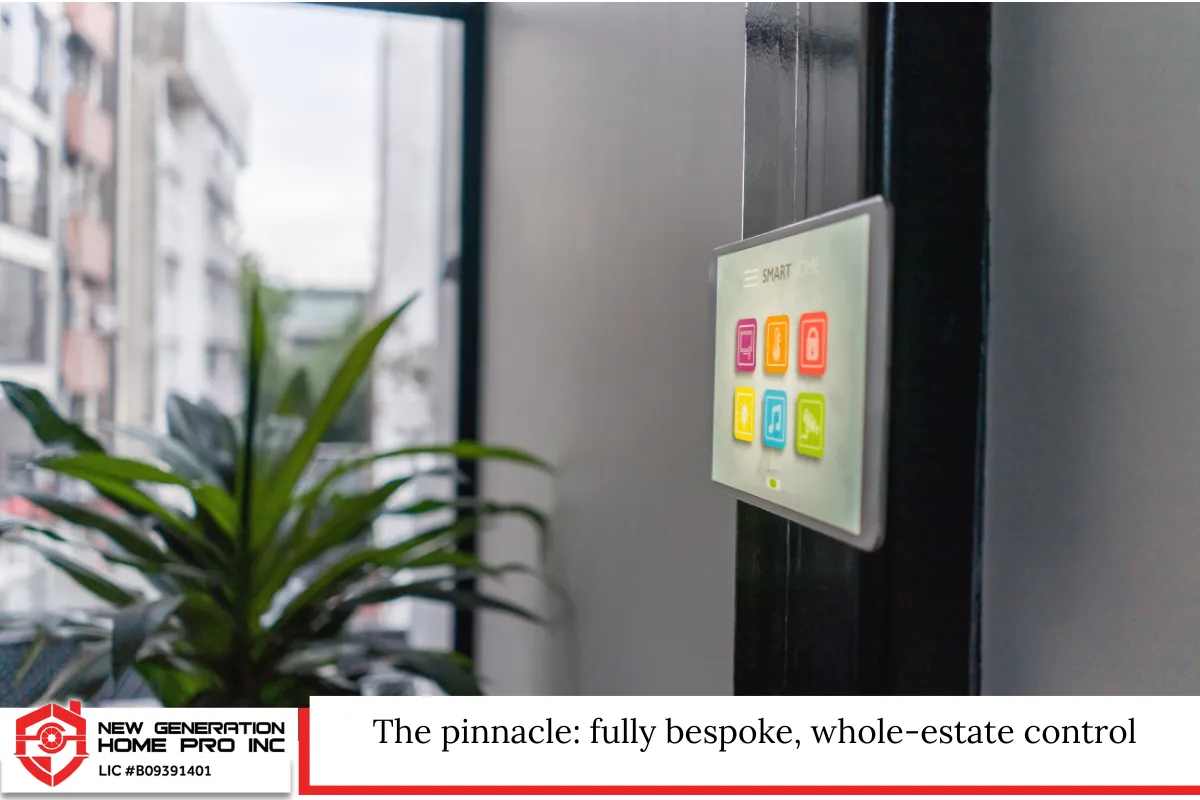
At the top end, the most expensive installations are bespoke estates with centralized control of every system—lighting, climate, shading, audio/video, security, energy, and wellness. These projects are designed from the ground up and often exceed six figures.
High-end platforms such as Crestron, Control4, and Savant are commonly used because they scale, integrate deeply, and allow custom logic. The cost is driven by programming time as much as hardware. A single button can trigger dozens of actions—lights dimming, shades closing, HVAC adjusting, doors locking, and media starting—executed in perfect sequence.
Lighting that reshapes architecture
Human-centric illumination at scale
Lighting is often the largest line item. Luxury homes favor layered illumination with architectural fixtures, accent lighting, and automated shading that adapts throughout the day. Advanced systems from brands like Lutron integrate natural daylight, occupancy, and time-based scenes.
Why it costs more:
- Custom keypad engraving and finishes
- Precision dimming for specialty fixtures
- Integration with motorized shades across large glass expanses
- Scene programming tailored to events and routines
In The Woodlands, where large windows and wooded views are common, automated shading is essential for comfort, energy management, and privacy—especially in multi-story homes.
Climate control beyond thermostats
Zoning, sensors, and silent comfort
While entry-level smart thermostats are inexpensive, luxury climate automation is not. High-end homes use multi-zone HVAC with room-level sensors, humidity control, and predictive scheduling. Integration accounts for solar gain, occupancy, and even weather forecasts.
Costs rise when:
- Multiple HVAC systems must be synchronized
- Radiant heating or chilled beams are included
- Dedicated ventilation and air quality monitoring are required
These systems protect finishes, art, and wine collections while keeping occupants comfortable without constant adjustments.
Private cinema and distributed audio
Entertainment without compromise
Dedicated theaters, hidden speakers, and whole-home audio push budgets higher fast. Audiophile-grade components, acoustic treatments, and calibration are labor-intensive. Distributed audio that plays different content in every zone—indoors and outdoors—adds complexity.
Premium estates often specify brands like Bang & Olufsen for design-forward spaces, paired with concealed architectural speakers elsewhere. The expense reflects not just equipment, but engineering: vibration isolation, soundproofing, and seamless control from a single interface.
Security, access, and privacy at estate scale
Protection that never sleeps
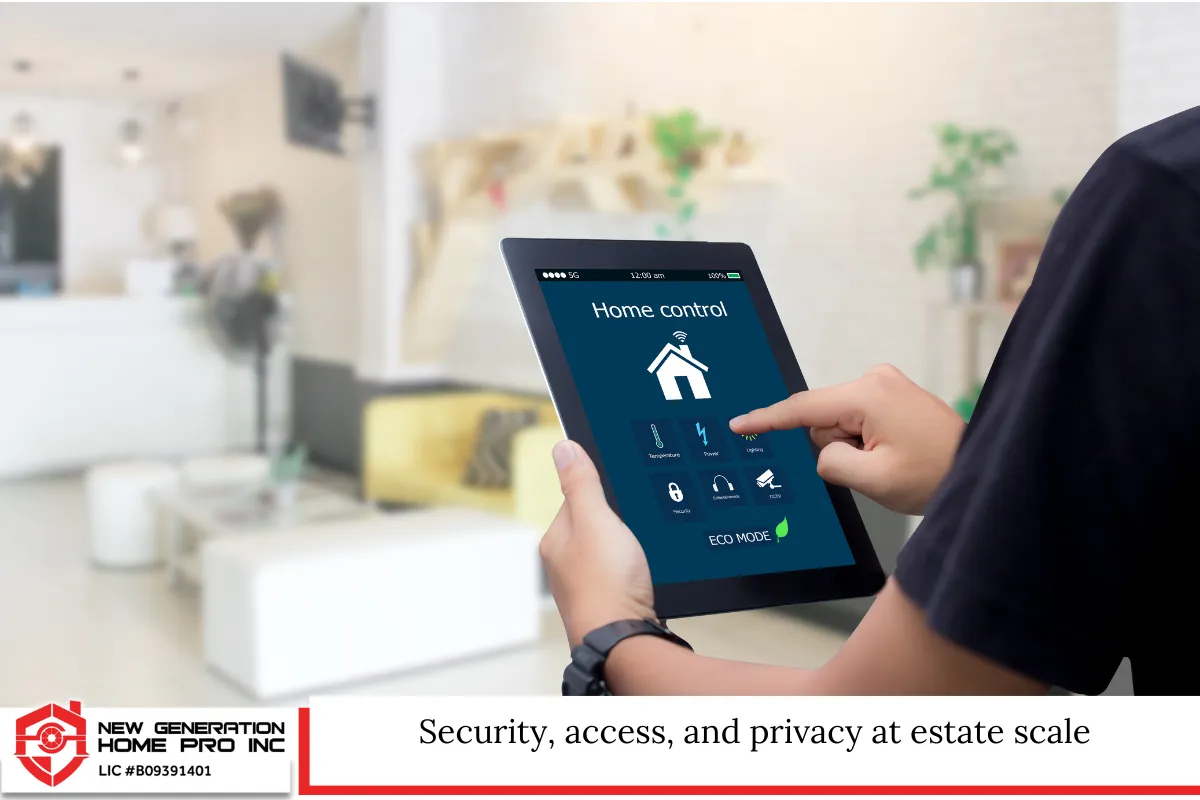
Luxury automation integrates perimeter security, access control, surveillance, and monitoring into one command layer. Costs increase with:
- Long driveways and gated entries
- Multiple buildings and guest houses
- High-resolution cameras with secure storage
- Biometric or credential-based access
Privacy is paramount. Systems are designed to minimize cloud dependence, keeping sensitive data local while allowing secure remote access.
Energy management and resilience
Power when others go dark
In Texas, resilience matters. Expensive systems include energy monitoring, load shedding, and integration with generators or battery storage. During outages, critical systems remain operational without user intervention.
Key cost drivers include:
- Automatic transfer switching
- Priority-based power allocation
- Real-time energy dashboards
- Integration with solar and storage
This level of automation protects comfort and safety during extreme weather.
Custom programming: the invisible multiplier
Why logic costs more than hardware
The most underestimated expense is software logic. Custom scenes, conditional triggers, and user-specific interfaces require skilled programmers. Homes with multiple residents, staff, or frequent guests need profiles that adapt instantly.
Examples include:
- Different lighting and climate preferences per user
- Vacation modes that simulate occupancy
- Event modes for entertaining
Each layer adds development and testing time, which is reflected in the final price.
Read Home Automation in The Woodlands, TX: Can a Smart Thermostat Work Without Internet?
Installation standards in The Woodlands
Building codes, permits, and best practices
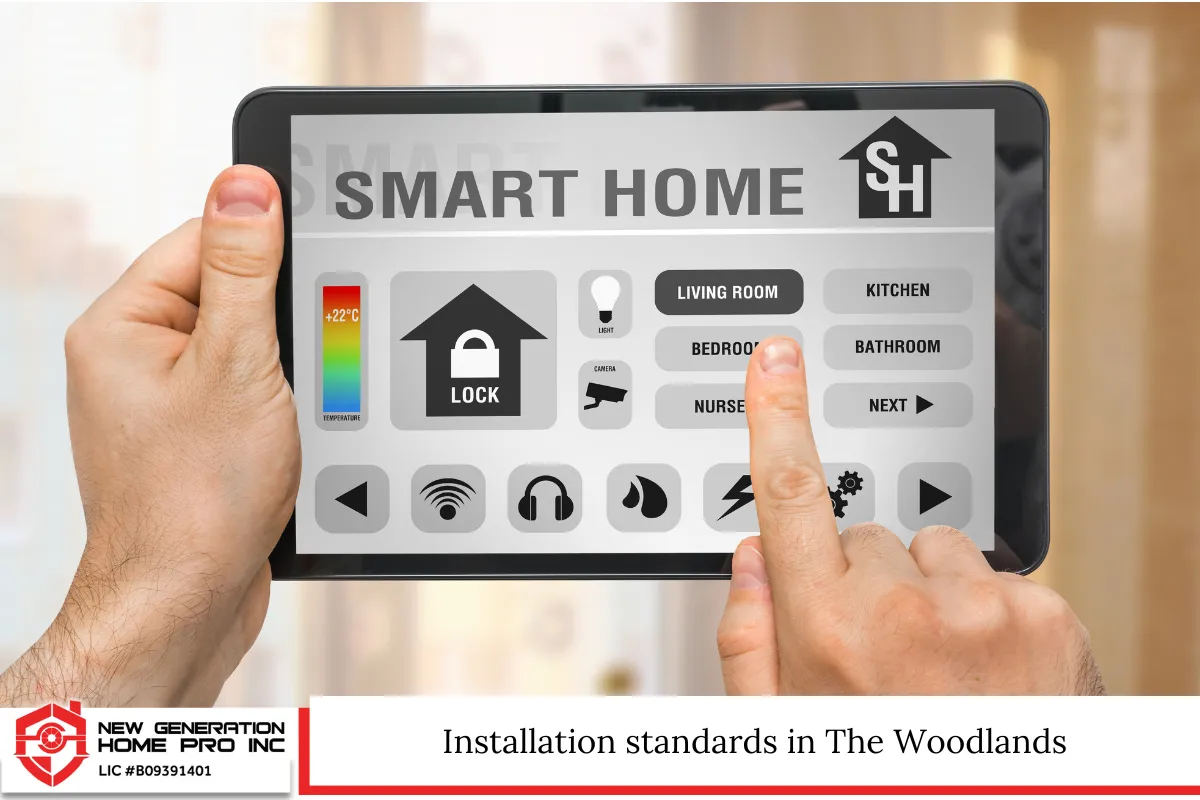
High-end automation must comply with local and state requirements. In The Woodlands, low-voltage work must follow applicable electrical codes, fire separation rules, and permitting processes. Structured wiring, grounding, and surge protection are essential, particularly in large homes with sensitive electronics.
Professional installers coordinate with builders, electricians, and inspectors to ensure compliance and long-term reliability. Cutting corners here is costly later.
Typical price ranges at the top end
While every project is unique, the most expensive home automation system installations in The Woodlands generally fall into these tiers:
- Advanced whole-home systems: high five figures
- Large luxury residences with custom programming: low to mid six figures
- Estates with multiple buildings, theaters, and resilience features: well into six figures
Ongoing service agreements are common and protect the investment over time.
Investing with intention
The most expensive home automation projects are not about excess. They are about intention—creating a home that responds effortlessly, protects what matters, and scales for the future. In The Woodlands, where homes are larger and expectations higher, cost reflects craftsmanship, integration, and reliability. Understanding these drivers helps homeowners invest wisely and avoid surprises, ensuring their smart home remains a benefit, not a burden.
Home Automation in The Woodlands, TX – New Generation Home Pro Inc
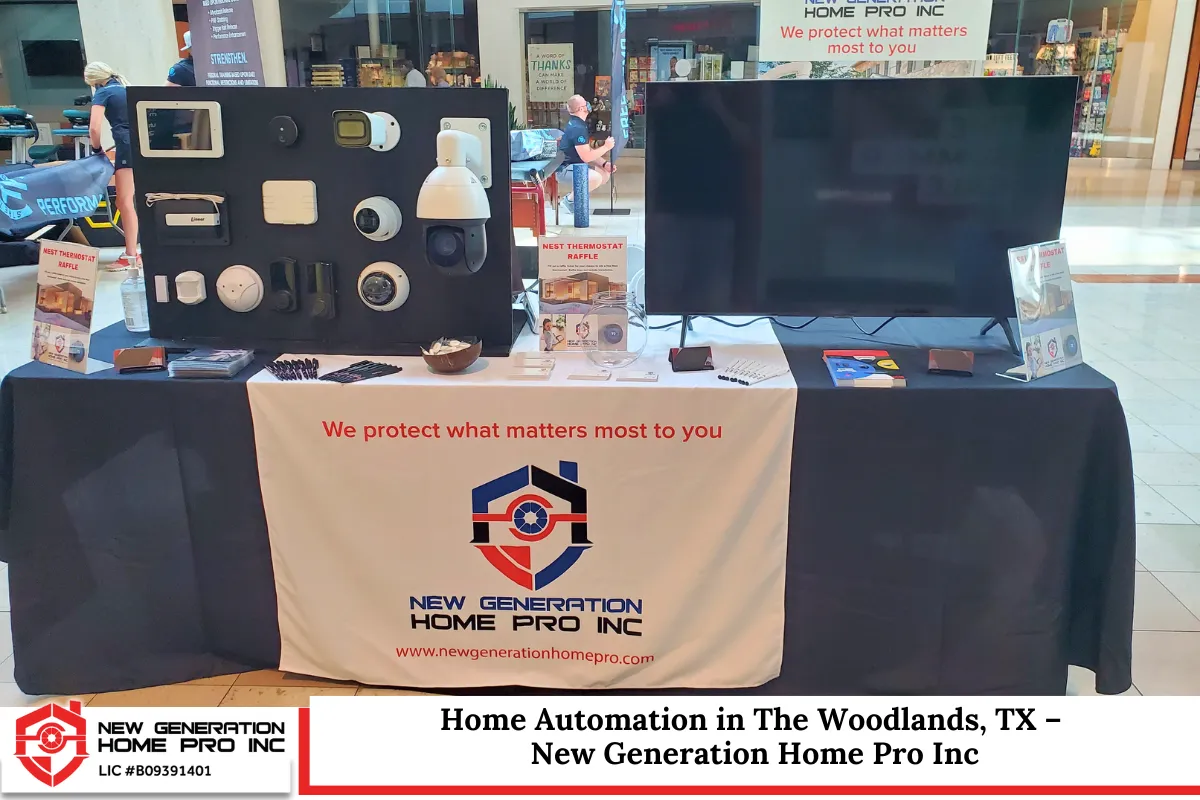
New Generation Home Pro Inc helps homeowners turn complex ideas into refined, dependable home automation solutions. Based in The Woodlands, Texas, the team designs and installs systems that balance performance, privacy, and ease of use. Whether you’re planning a comprehensive home automation upgrade or refining an existing smart home, our approach focuses on thoughtful design, clean installation, and long-term support. From lighting and climate to security and entertainment, each system is tailored to how you actually live. If you’re exploring what’s possible—and what makes sense—call (713) 501-9985 or visit our website to schedule a consultation and see how professional home automation can elevate your home.
Frequently Asked Questions
1. Does the most expensive automation always mean the best experience?
Not necessarily. The best experience comes from proper design, not just premium hardware. Overspending on features that don’t match your lifestyle can create complexity without benefit. A well-planned system focuses on reliability, intuitive control, and future expansion. Expensive components only add value when they are programmed and integrated correctly. Many homeowners find that thoughtful customization delivers more satisfaction than simply choosing the highest-priced options.
2. How long does a high-end automation installation take?
Large projects can take several months from design to final commissioning. Early phases involve planning, wiring, and coordination with construction. Programming and testing often occur in stages as systems come online. Rushing this process increases the risk of issues later. A phased approach allows homeowners to learn the system gradually while ensuring each component performs as intended.
3. Can luxury systems be upgraded over time?
Yes, scalability is a defining feature of premium platforms. Core infrastructure—networking, wiring, and control processors—is designed to support future additions. Homeowners can add rooms, features, or new technologies without replacing the entire system. Planning for growth at the start reduces long-term costs and keeps the system relevant as technology evolves.
4. Are there privacy concerns with advanced smart homes?
Privacy is a valid concern, especially with cloud-connected devices. High-end systems often prioritize local control, keeping sensitive data within the home. Secure remote access, encrypted communication, and professional network configuration reduce risk. Discussing privacy goals early helps shape system architecture and avoids reliance on consumer-grade solutions that may not meet luxury standards.
5. What ongoing costs should homeowners expect?
Beyond installation, ongoing costs may include maintenance, software updates, monitoring, and occasional hardware refreshes. Service plans ensure rapid support and system health checks. While these costs are modest compared to the initial investment, they protect performance and extend system life. Budgeting for long-term care is part of responsible ownership.
Disclaimer: This article is for general informational purposes only and does not constitute legal, electrical, or construction advice. Home automation systems should be designed and installed by qualified professionals in compliance with all applicable local and state regulations in The Woodlands, Texas.
Read The Woodlands Security Camera Installer: Can I Install Security Cameras Myself?

