Home security systems are no longer reserved for single-family houses with large yards and private driveways. Apartment dwellers benefit from renter-friendly security setups to protect against property crimes, package theft, and unauthorized access through shared hallways. The Woodlands, TX has a crime rate roughly 50 percent below the national average, but multi-unit buildings still present unique risks: shared entrances, delivery drivers with building access, and the constant turnover of neighbors and maintenance staff. These realities leave renters feeling less in control of who approaches their front door. The solution is a growing category of wireless alarms, smart sensors, and home automation tools that install with minimal drilling and comply with standard lease terms. This guide covers everything a renter or condo owner in The Woodlands needs to find the right setup, from legal considerations to monthly costs.
Key Takeaways
- Yes, there are security systems built specifically for apartments and rental units in The Woodlands, TX. These solutions use wireless sensors, cellular backup, and adhesive mounting to avoid permanent modifications.
- Modern apartment systems are lease-friendly and portable. Renters can use monitored alarms, smart locks, and cameras without drilling into walls or rewiring electrical panels.
- Local building rules, fire codes, and landlord policies still need to be reviewed before installation. Texas Property Code Section 92 already requires landlords to supply basic devices like deadbolts and window latches.
- Professionally monitored systems may require approval before installation in rentals, so confirming with property management is a practical first step.
- This article covers system types, features, costs, and how to choose the right option for your apartment in The Woodlands.
Can Renters in The Woodlands Actually Install Home Security Systems?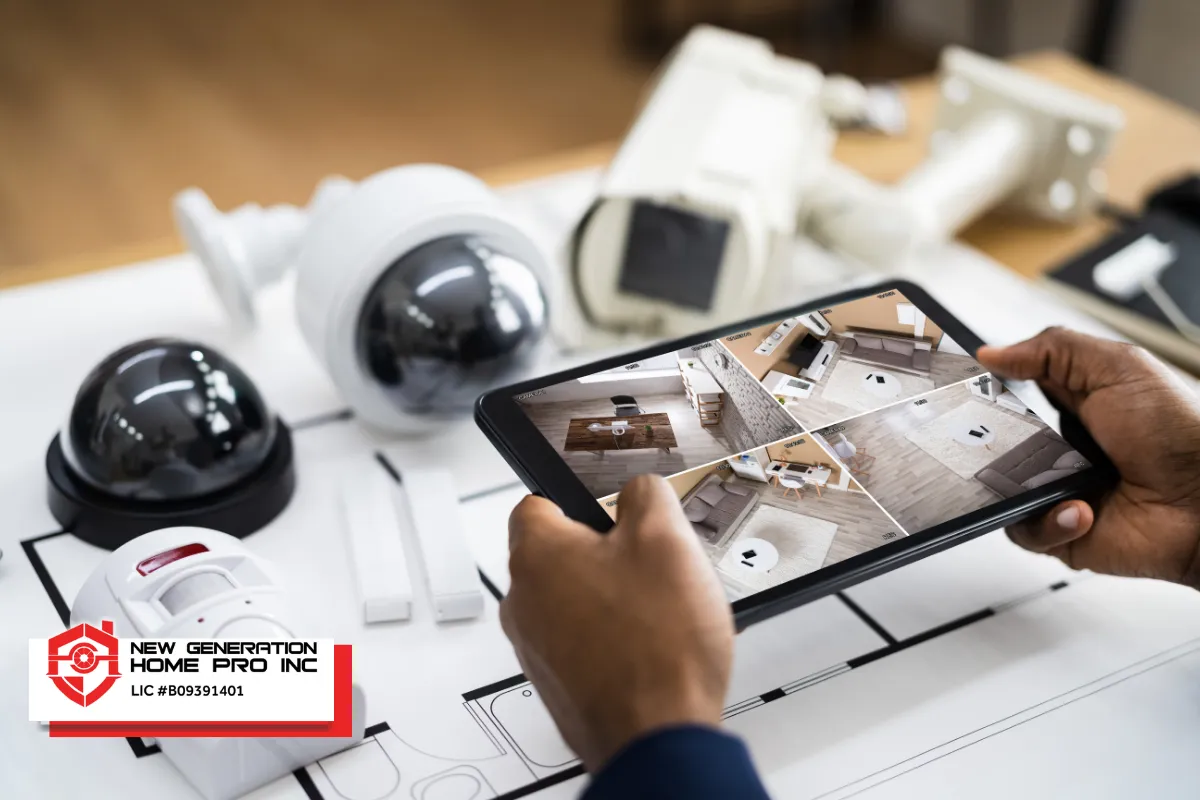
Renters in The Woodlands can legally install alarm and camera equipment inside their units. Interior devices, including motion detectors, door contacts, and indoor security cameras, are generally permitted as long as they do not alter the building’s structure or interfere with life-safety equipment. Texas law prohibits tenants from removing or disabling smoke alarms or fire sprinkler systems, so any added equipment must work alongside those existing devices, not replace them.
Exterior changes are a different matter. Running wires through common walls, attaching devices to hallway ceilings, or modifying shared doors typically requires written approval from property management. Under Texas Property Code Section 92, Subchapter D, landlords must already provide certain safety devices at their own expense:
- Keyed deadbolts on exterior doors
- Window latches on each window
- A door viewer (peephole) on each exterior door
- Sliding door pin locks and security bars where applicable
Tenants can request missing or defective devices, and the landlord must respond within a reasonable timeframe (often interpreted as seven days). Beyond those baseline requirements, here are common lease restrictions renters should watch for:
- No permanent structural changes such as drilling through concrete or brick
- No rewiring electrical panels or modifying building wiring
- Landlord permission required for any door hardware changes, including smart lock installations
- Rules against visible cameras aimed at common areas like hallways, stairwells, or parking lots
The good news is that most apartment-ready systems use peel-and-stick mounting, battery-powered sensors, and WiFi or cellular connections. These devices come off cleanly when a tenant moves out, which helps with deposit protection. Before installing anything that alters doors, locks, or shared spaces, read your lease carefully and talk with property management.
Types of Apartment-Friendly Security Systems Available in The Woodlands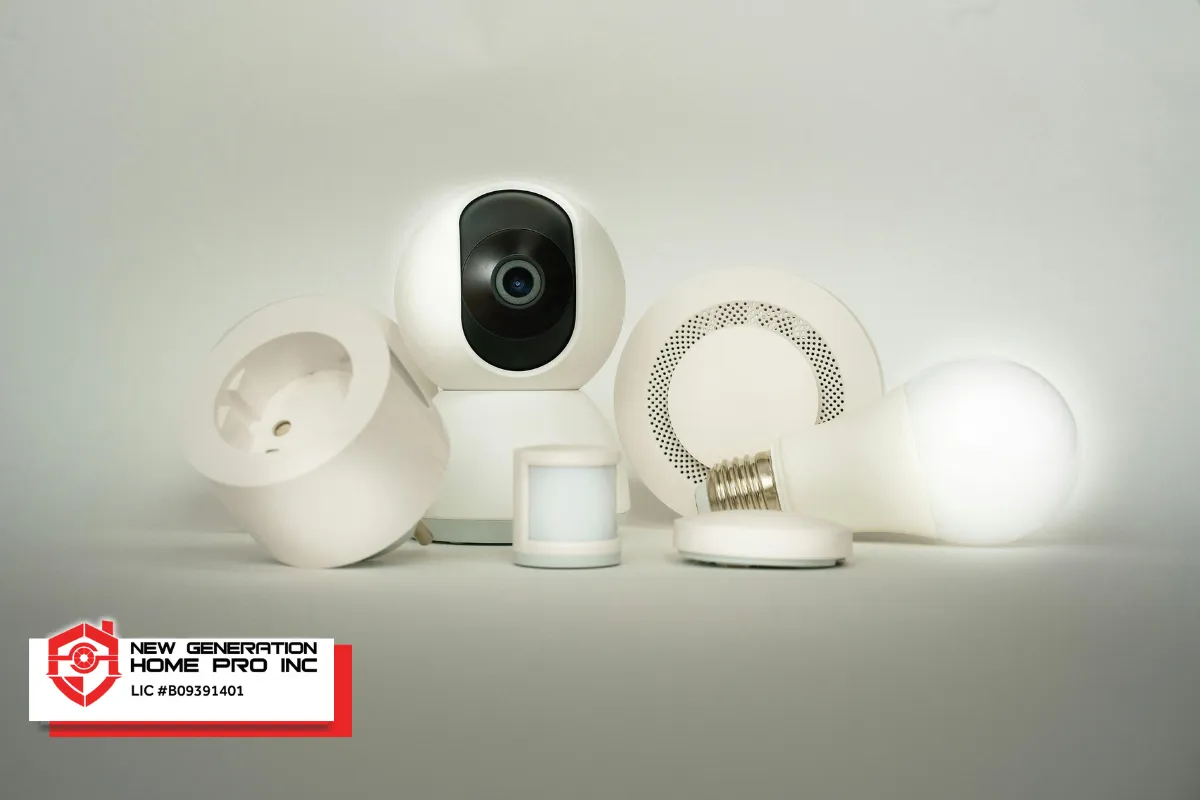
Apartment systems prioritize wireless communication, compact equipment, and straightforward installation. The market has expanded well beyond basic keypads. Here is what renters in The Woodlands can choose from.
Wireless Alarm Kits
A basic security setup typically includes door and window sensors, motion detectors, a base station hub, and a keypad. Everything communicates wirelessly; there is no need to open walls or run cables. Many kits include encrypted communications and battery backup to keep the alarm system running during power outages. Wireless equipment minimizes drilling and hardwiring requirements, which is the primary reason these kits work so well in apartments.
Smart Door Locks
Smart locks fit over existing deadbolt footprints, so they use the same screw holes your current hardware occupies. Keypad, Bluetooth, and Z-Wave versions are all available. Landlord approval is still a good idea before swapping any lock, since door hardware changes are listed as a restricted modification in many leases. Some locks offer retrofit kits that require zero additional drilling.
Video Doorbells and Peephole Cameras
Video doorbells can help prevent package theft in apartment complexes by letting residents see and speak to visitors remotely. Battery-powered models avoid the need for hardwired connections to common-area electrical circuits. Peephole cameras replace existing door viewers using the same mounting hole. Home automation services include video doorbell installation as one of the most requested upgrades for renters.
Indoor WiFi Cameras
Indoor cameras must not require hardwired outdoor mounting to satisfy landlord conditions. WiFi cameras with local microSD storage, scheduling features, and geofencing are ideal for small spaces and households with roommates. Surveillance systems are essential for apartment security when residents travel frequently or work long hours. Smart automation includes AI-driven video cameras and smartphone access, letting you review footage from anywhere.
Environmental and Life-Safety Sensors
Telemetry in security systems can safeguard apartments against water leaks and flooding. Water leak detectors placed under sinks and near washing machines trigger alerts before minor drips become major damage. Monitored smoke and heat sensors add a layer of protection without disabling the building’s existing fire alarms. Carbon monoxide sensors round out the life-safety package.
Home Automation Add-Ons
Home automation systems can integrate lighting, security, and entertainment into a single app. Smart plugs and lighting schedules simulate occupancy when you are away. Smart thermostats improve energy efficiency in smaller floorplans. Custom security systems can include smart automation features that let you control locks, lights, and cameras from one dashboard.
Scalable Packages
Many providers offer scalable solutions, so a studio apartment and a three-bedroom unit can use similar components in different quantities. Typical apartment features include compact motion detectors and waterproof cameras, which adapt to any unit size. Security camera installation is a common service offered alongside these packages.
How Apartment Security Systems Work in a Multi-Unit Building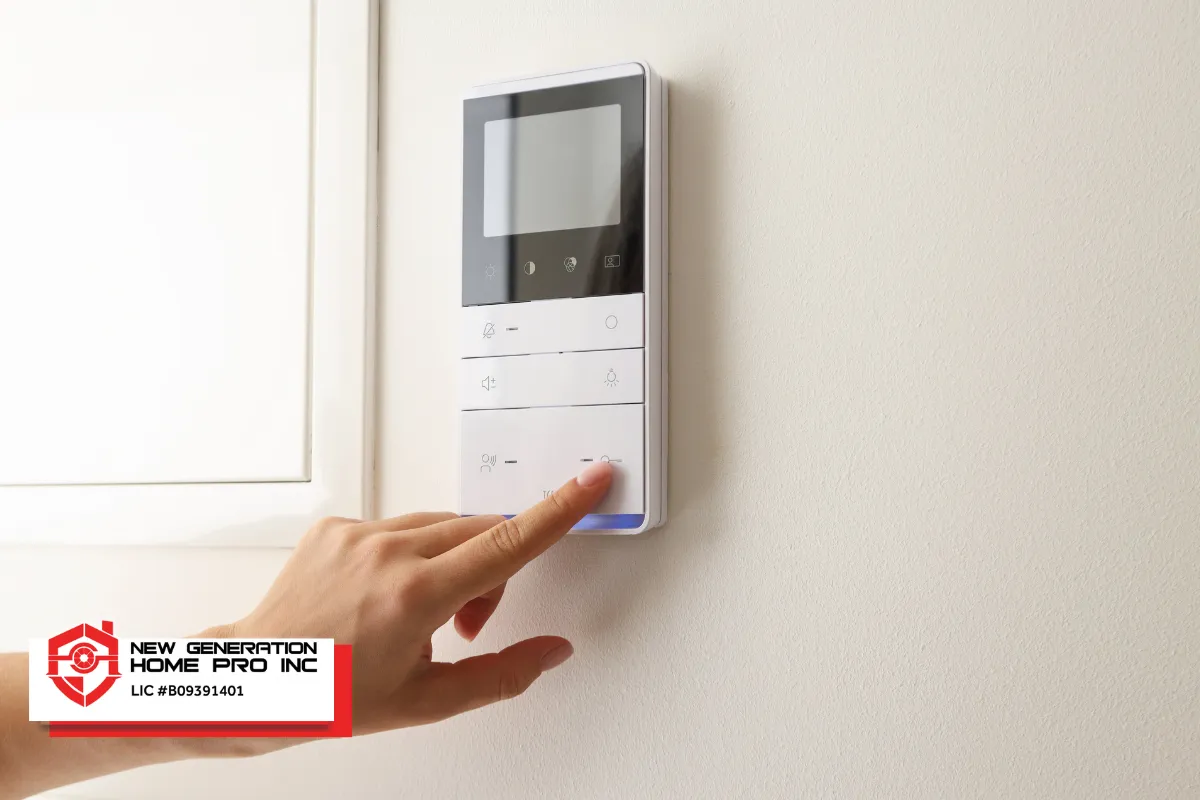
Apartment security must coexist with shared walls, community entrances, and building-level fire systems. The devices inside your unit are yours to manage, but they need to operate within the constraints of a larger building.
Communication and Connectivity
Most apartment-grade systems use dual-path communication: encrypted WiFi as the primary channel and cellular backup as the failsafe. Cellular and WiFi backup ensures the system stays connected during internet issues, which matters in large apartment complexes where network congestion is common. Some providers offer LTE or 5G modules built into the base station, so the alarm system functions even if the building’s WiFi goes down entirely.
Professional Monitoring
Home security systems offer 24-hour monitoring services through dedicated centers that watch for burglary, panic, and environmental alerts around the clock. When an alarm triggers, operators contact the resident first and then dispatch local responders if needed. This is different from self-monitored setups, which send push notifications to your phone but rely on you to call for help. ADT has provided home security for over 150 years, and many monitoring centers in this region follow similar professional protocols for rapid dispatch.
Read What Home Security Systems Are Best for Renters in The Woodlands, TX?
What Your System Covers vs. What the Building Covers
Systems designed for individual apartments monitor the unit interior and main entry door. The building owner typically controls perimeter security, parking lot cameras, and gated entrance access. Your personal alarm system fills the gap between the building’s front gate and your apartment’s front door.
Privacy Boundaries
Residents cannot record audio or video in places where neighbors have a reasonable expectation of privacy, such as shared laundry rooms, bathrooms, or interior hallways. Texas recognizes invasion-of-privacy torts, and audio recording requires at least one-party consent. Door sensors, window contacts, glass-break detectors, and interior cameras are all focused on the tenant’s private space, not adjacent balconies or common corridors.
Reducing Nuisance Alarms
Dense housing means false alarms can disturb neighbors quickly. Set entry and exit delays on door sensors (typically 30 to 60 seconds). Adjust motion sensor sensitivity to avoid triggers from floor vibrations or pets. Train every household member and roommate on using the keypad and mobile app so accidental triggers do not lead to complaints or fines from the community.
Key Features to Look For in an Apartment Security Setup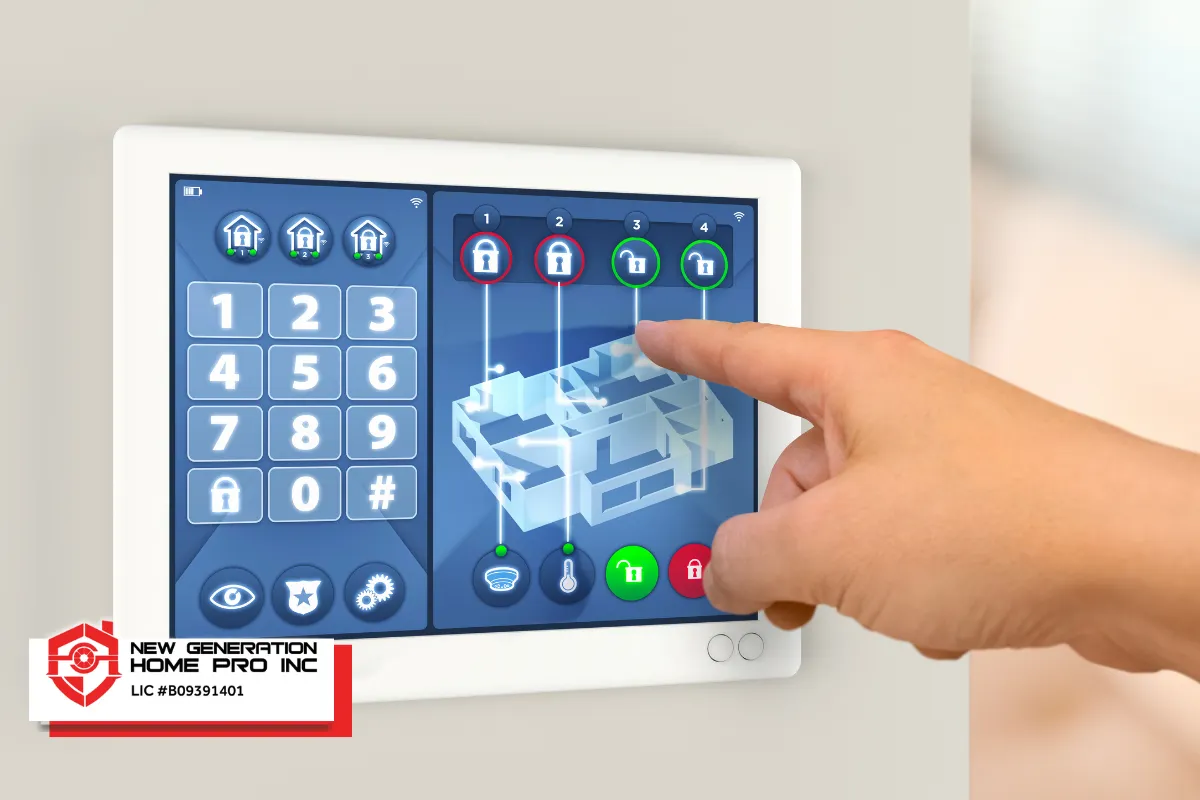
Not every residential system is ideal for apartments. Here are the features that matter most when you live in a rental.
Wireless, Adhesive-Backed Sensors. Top renter-friendly home security systems feature wireless, no-drill setups. Apartment security systems should use peel-and-stick sensors to avoid wall damage and preserve the unit’s original condition. This makes the entire system easier to install and remove.
Compact Control Panels. All-in-one keypads and small hubs that sit on a shelf or mount with removable strips keep things tidy in a smaller living space. No screws, no anchors, no patching needed at move-out.
Mobile App Control. Remote arming, disarming, live camera feeds, and smartphone alerts let you manage your apartment’s protection from anywhere. This level of access is particularly useful for residents who commute long distances or travel often.
Flexible Monitoring Contracts. Month-to-month monitoring plans are preferred for renters who may move frequently. Renter-friendly options include those with no long-term contracts or damage to property. Match your monitoring commitment to your lease length so you are not paying for a service you cannot use.
Smart Home Automation. Smart home automation enhances convenience and lifestyle by letting you schedule lights, connect smart plugs, and set scenes like “Away” mode that deter intruders. Security systems should be compatible with smart home integrations for flexibility, allowing you to control everything from one platform. Smart automation features enhance apartment security systems by tying cameras, locks, and lighting together.
Network Security. Use WPA3 encryption on your WiFi, change default passwords on every device, and check that your cameras and sensors receive firmware updates. Strong digital hygiene keeps your system from becoming a vulnerability.
Local Monitoring Familiarity. Ask whether the monitoring center is familiar with local first-responder procedures in The Woodlands. Regional awareness can reduce dispatch errors and improve response coordination.
Cost, Contracts, and Ownership: What The Woodlands Renters Should Expect
Apartment systems often cost less upfront than large single-family setups, but they still require thoughtful budgeting. Here is a breakdown of what to expect.
Typical Cost Elements
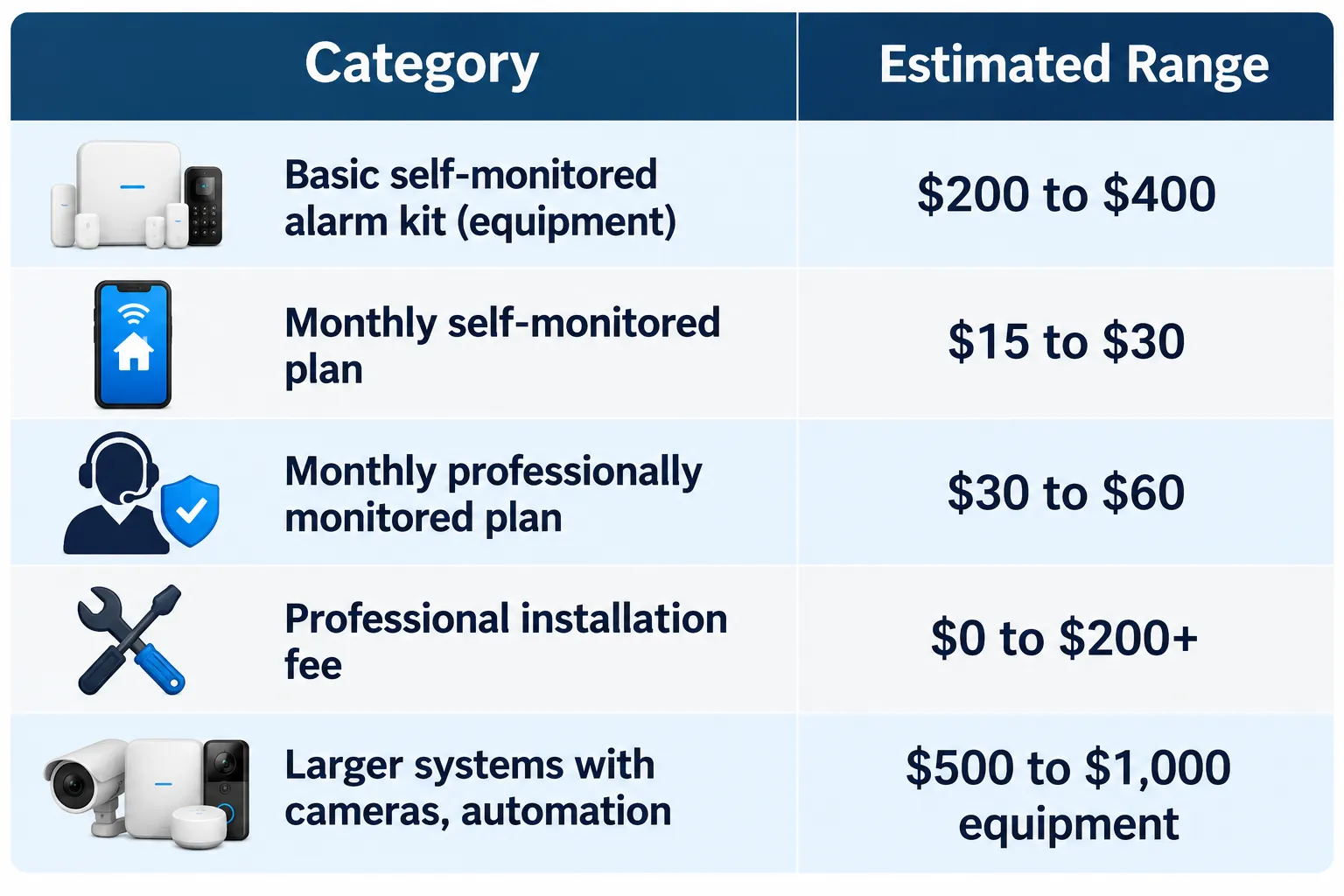
Alarm systems can start at a price of $39.99 per month for interactive, professionally monitored plans that include app control and environmental alerts. Interactive security systems start at $39.99 through several providers serving The Woodlands and the following areas.
Self-Monitored vs. Professionally Monitored
Self-monitored plans send alerts to your phone and rely on you to call for help. Professionally monitored plans connect to a 24-hour center that contacts police, fire, or EMS directly. The cost difference is typically $10 to $30 per month, but the added safety of professional monitoring is worth considering for renters who spend long hours away from home.
Equipment Ownership
Renters usually own their equipment outright, meaning sensors, keypads, cameras, and smart locks travel with you to the next apartment. Portable security systems for apartments are preferred for easy relocation, and wireless sensors can be easily moved to a new apartment. This protects your investment if you change units or leave The Woodlands entirely.
Budgeting Tips
- Look for shorter contracts and transparent cancellation policies
- Ask about options that allow transferring service within the area without penalty
- Bundling cameras, alarms, and home automation under one provider often reduces total cost compared to separate subscriptions
- Create a simple checklist of must-have features and a maximum monthly budget before requesting a quote from any provider
- Custom security systems can be tailored for apartment needs, so you only pay for what your specific layout requires
Home Security System in The Woodlands, TX; New Generation Home Pro Inc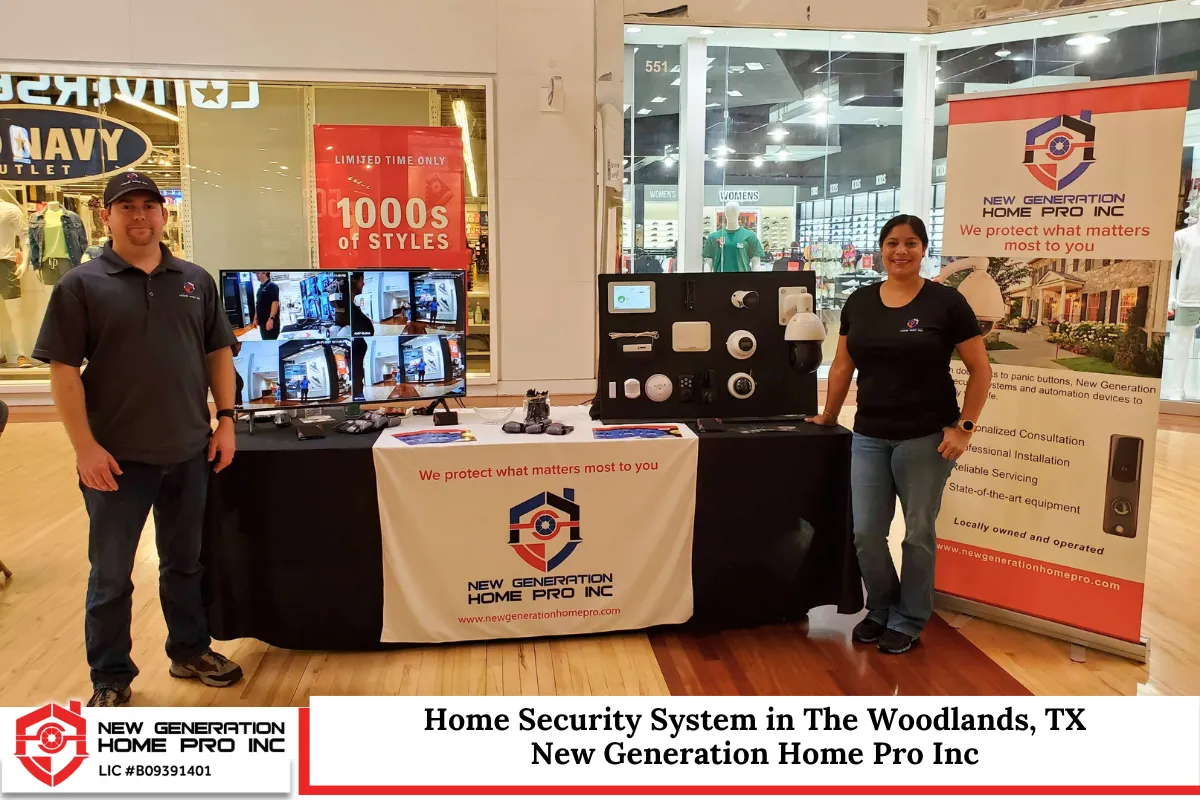
We are New Generation Home Pro Inc, and we specialize in providing home security system solutions built for apartments, townhomes, and condos across The Woodlands, Texas. Our team works directly with renters and property owners to recommend wireless alarms, smart locks, and cameras that respect lease rules and avoid unnecessary drilling or rewiring. We serve The Woodlands and prominent surrounding areas, delivering professional installation, hands-on configuration, and easy-to-use mobile control for every customer. Whether you are upgrading a studio or securing a multi-bedroom unit, we help you discover equipment you can take with you if you move, protecting both your investment and your peace of mind. Call us at (713) 501-9985 or fill out our contact form to get a customized quote and schedule an on-site evaluation. Our experience in this community means we understand the needs of local renters and the building requirements that come with apartment living.
Frequently Asked Questions
Can an apartment security system lower my renters insurance?
Many insurance providers offer modest discounts for apartments equipped with monitored burglar and fire alarms because these systems reduce the risk of covered losses. The discount amount varies by insurer and coverage type; some customers report savings of 5 to 15 percent on annual premiums. To activate the discount, your insurer will typically request proof of professional monitoring, such as a certificate from the alarm company showing your account is active and the monitoring center’s contact information. Self-monitored, app-only setups may not qualify for the same savings because there is no third-party verification of alarm events. When budgeting for apartment security, weigh the potential premium reduction against your monthly monitoring cost to see whether the net expense is lower than expected.
How do I secure a sliding patio door or balcony entrance in my apartment?
Sliding glass doors are common entry points in ground-floor and low-rise apartments. Non-invasive options include adjustable security bars that brace against the door frame, wooden dowel rods placed in the sliding track to prevent the door from being forced open, and adhesive-mounted contact sensors wired into your alarm system. Glass-break detectors or vibration sensors placed near large patio panels trigger alerts if someone attempts to breach the glass. Check your lease terms before adding any supplementary locks or drilling into door frames, since those modifications are usually classified as structural changes. Motion-activated balcony lighting, where permitted by your building, can deter intruders approaching from outdoor areas. Combining physical reinforcement with monitored alarm sensors provides the most reliable patio and balcony protection.
Can I use indoor cameras in an apartment without violating my neighbors’ privacy?
Indoor cameras pointed at your own living space are generally acceptable under Texas privacy law. The risk arises when a camera’s field of view captures areas where other people have a reasonable expectation of privacy. Avoid aiming cameras directly into neighbors’ windows, across shared balconies, or down interior hallways where other residents pass regularly. Disable audio recording in situations where voices from adjacent units or shared corridors might be picked up unintentionally; Texas requires at least one-party consent for audio capture. Most camera apps offer privacy zones or activity zones that let you block portions of the image showing common areas or neighboring units. If you live with roommates, discuss camera placement openly so everyone in the apartment is comfortable and aware of what is being recorded.
What if my building already has a gated entrance or community security patrol?
Building-level measures like gated access, key fob entry, and courtesy patrols reduce risk but do not eliminate it. Intrusions and theft can still occur through residents, visitors, delivery drivers, or contractors who have legitimate building access. A personal alarm system with door and window sensors, a smart lock, and cameras inside your apartment creates a second layer of defense that you control directly. Personal systems send alerts straight to your phone, so you are notified immediately rather than waiting for on-site staff or patrol officers to discover an issue. Before integrating any personal devices with shared access-control hardware, coordinate with your property management to confirm compatibility and avoid triggering building-wide alerts or violating community rules.
How hard is it to move my apartment security system when I change units?
Most modern wireless systems are designed to be portable. Sensors detach from doors and windows with minimal surface damage when adhesive strips are removed slowly and at the correct angle. Smart locks revert to the original deadbolt hardware, and indoor cameras simply unplug. Before moving, notify your monitoring provider so they can update the service address and emergency contact information tied to your account. After reinstalling devices in the new unit, test every sensor and camera to confirm proper communication with the base station and adequate WiFi or cellular signal strength. Plan the new layout in advance by noting door locations, window placements, and router position, since WiFi signal strength can vary between buildings and floors.
Disclaimer
This article provides general information only and does not constitute legal, insurance, or building-code advice. Verify all details with your lease, property management, and qualified local professionals before installing any security equipment.
Read Can Smart Locks Be Added to Security Systems? Integrating Home Automation in The Woodlands, TX