Why Your Home Security System Should Include CO Protection
A home security system does a lot to protect your property, but it cannot guard against every threat on its own. The short answer is yes, you absolutely need carbon monoxide detectors if you live in Conroe. Carbon monoxide is odorless and can be deadly without detection, which means you will never know something’s wrong until symptoms hit or a detector sounds the alarm. Most homes in this part of Texas rely on gas furnaces, water heaters, and stoves, and thousands of families here have attached garages where vehicles idle. Frequent storms also push homeowners to run generators, raising the risk even further. Integrating CO sensors into your existing alarm system creates faster alerts, automatic sirens, and the ability to dispatch emergency services. Below, we walk through the legal landscape, correct placement, system design, and cost so you can make the right decision for your household.
Key Takeaways
- Carbon monoxide detectors are a critical addition to any home security system in Conroe, TX, especially if you use gas, propane, or wood-burning appliances.
- Texas law strongly encourages CO protection in homes with fuel-burning equipment, and many modern alarm systems support integrated CO monitoring.
- Detectors should be placed on every floor of the home, near bedrooms, and close to attached garages for early warning.
- Professional monitoring, battery backup, and smart alerts help ensure you get help fast, even during power outages or when you are away.
- Combining smoke detectors, carbon monoxide sensors, and security cameras creates a more complete safety net for Montgomery County homeowners.
Carbon Monoxide 101: Invisible Threat Inside Conroe Homes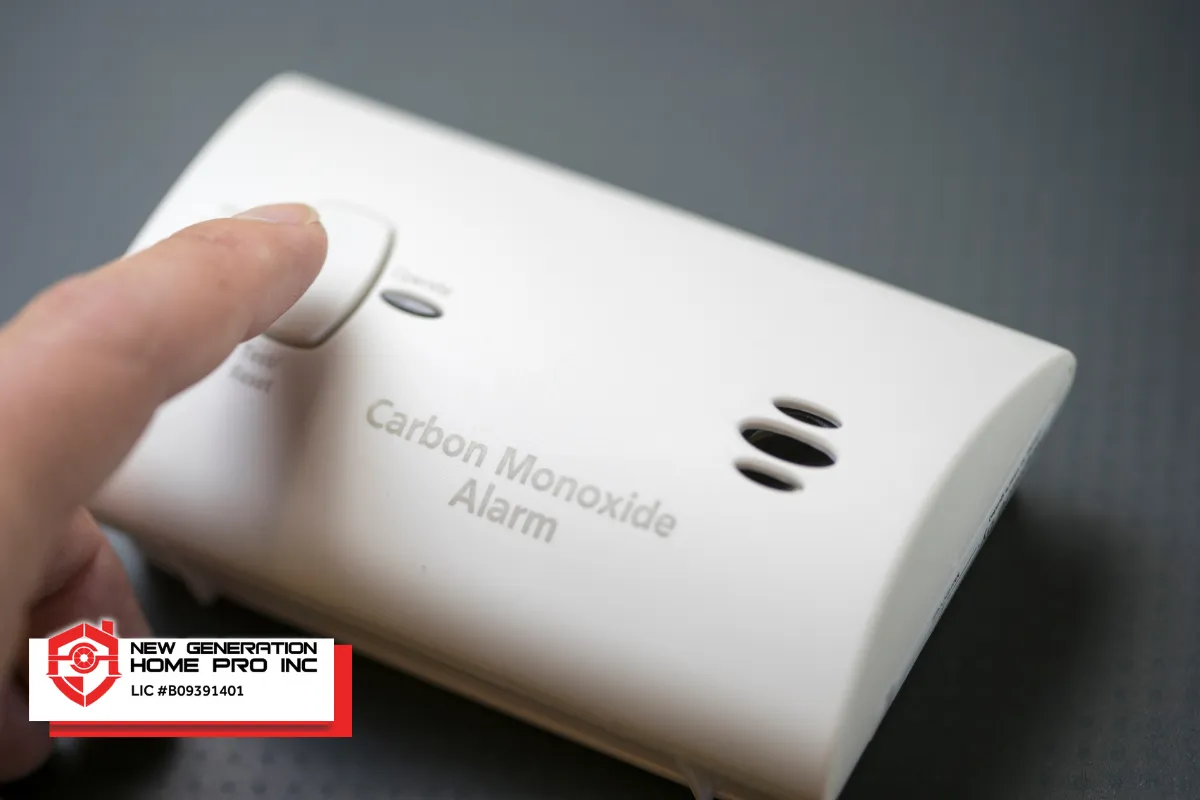
Carbon monoxide forms when fuels like natural gas, propane, wood, or gasoline burn without enough oxygen. The gas is colorless and tasteless, making it impossible to detect with your senses alone. Carbon monoxide detectors alert you to dangerous gas levels before exposure becomes life-threatening.
Common household sources of CO include gas furnaces and water heaters, along with:
- Fireplaces and wood-burning stoves
- Gas ranges and clothes dryers
- Vehicles running inside an attached garage
- Portable generators used during power outages
Health hazards from CO exposure include headaches, dizziness, and unconsciousness. These symptoms are often mistaken for the flu or heat exhaustion, especially when they set in during sleep. The Centers for Disease Control identifies CO as a leading cause of accidental poisoning in the United States, responsible for hundreds of deaths and tens of thousands of emergency room visits each year. Homes with well-sealed windows and modern insulation in Montgomery County can trap this gas more easily, which only increases the need for reliable sensors inside the house.
Do Texas Rules and Best Practices Require Carbon Monoxide Detectors?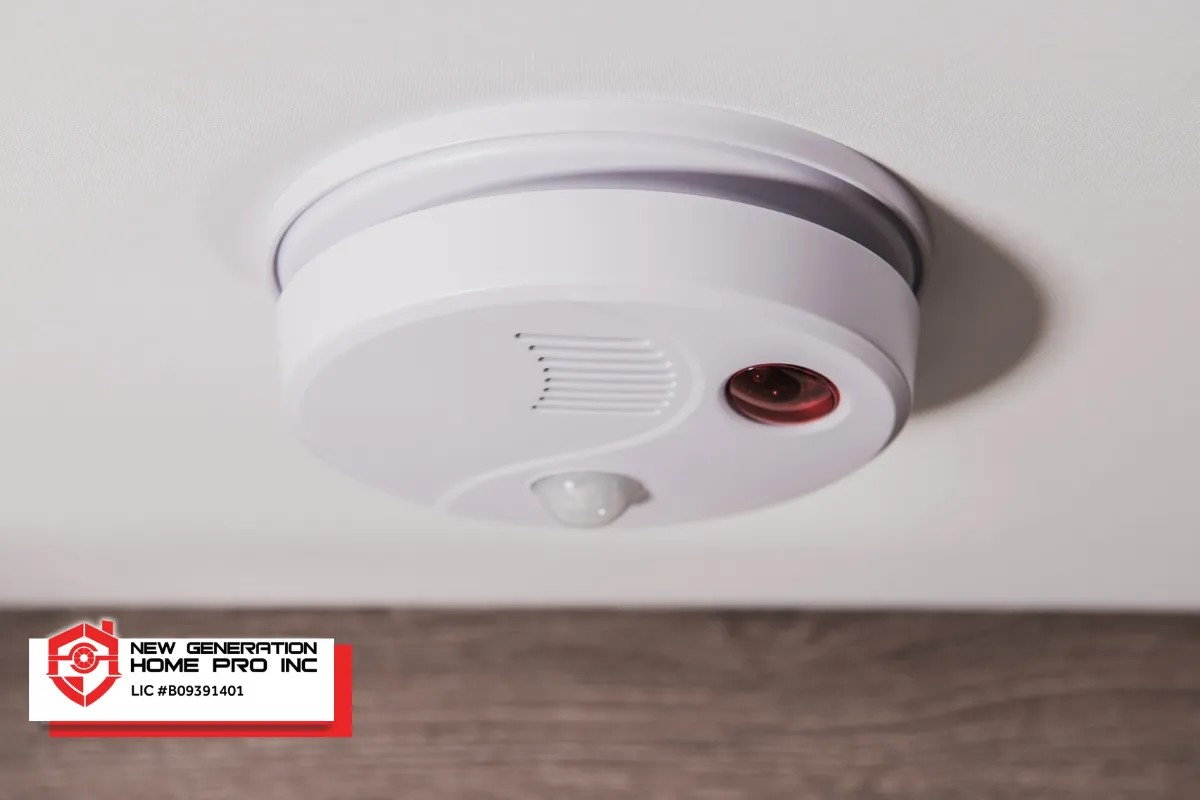
Local codes evolve, so always verify current requirements with your building inspector or fire department before making upgrades. That said, here is the general landscape.
Texas does not have a blanket law requiring CO detectors in existing homes. However, Texas safety guidance emphasizes the importance of CO detectors for preventing poisoning, and local codes may require CO detectors in homes with fuel-burning appliances or garages. Conroe follows the International Residential Code standards for CO detectors, which call for alarms outside each sleeping area and on every level of a dwelling that contains combustion equipment or an attached garage.
Even where not strictly mandated for every older home, CO protection is considered a best practice by fire departments and national safety organizations like the NFPA. Landlords and multi-family property owners may face stricter expectations and should confirm with local authorities. For any new construction or major renovation in town, expect building inspectors to look for properly placed CO alarms before signing off on permits.
How Carbon Monoxide Detectors Fit Into Modern Home Security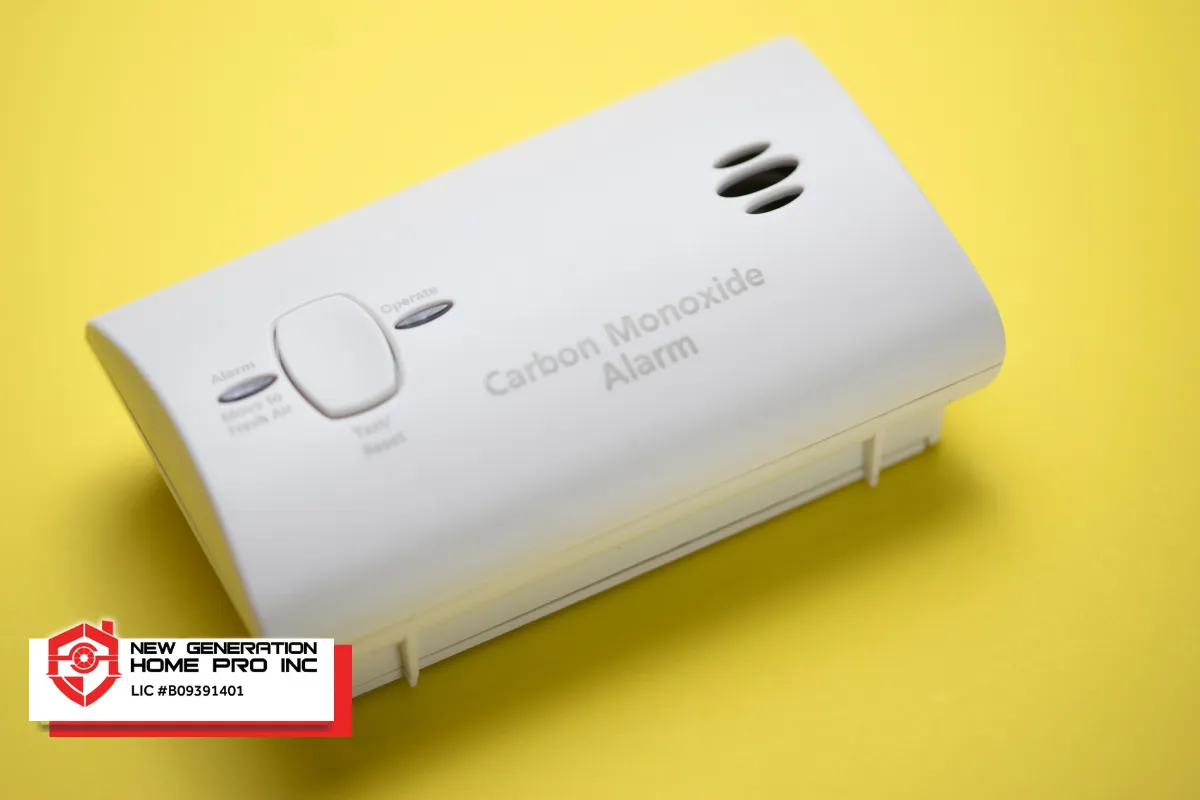
Rather than relying on a standalone plug-in unit from the hardware store, most companies now offer CO sensors that connect directly to a central security panel. This integration means that when a detector triggers, the system can sound sirens throughout the house, push alerts to your phone via an app, and notify a monitoring center that contacts emergency services on your behalf.
Integrated CO detectors in security systems alert emergency services when triggered, which is critical when you are away at work, running errands across town, or asleep in a dark room on the opposite end of the house. Monitored CO detectors provide notifications when occupants are away or incapacitated, closing the gap that a basic battery-only unit simply cannot cover.
Wireless systems with cellular backup remain operational during power outages, a real advantage during Conroe’s storm season when electricity can go out for hours. Many systems also pair CO sensors with smoke detectors on the same panel, so fire and gas threats are managed through one interface with clear voice announcements identifying the hazard type.
Where to Install Carbon Monoxide Detectors in a Conroe, TX Home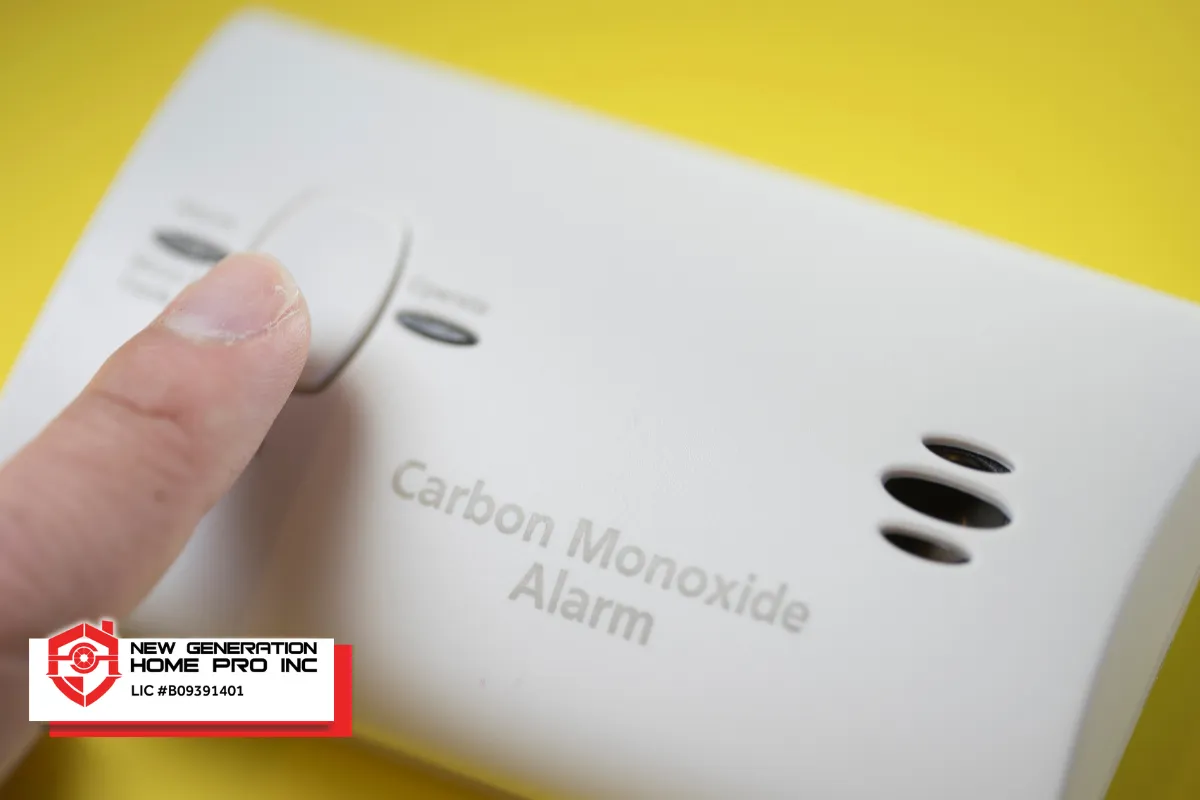
Correct placement is just as important as having the devices at all. A detector in the right place catches dangerous concentrations early, while a poorly positioned one may miss them entirely or cause false alarms.
Install carbon monoxide detectors near sleeping areas for safety, and installing CO detectors outside separate sleeping areas is recommended by safety guidelines. Beyond that, follow these practices:
- Place at least one detector on every floor of the home.
- Mount a sensor on the wall or ceiling just inside the door that connects an attached garage to the living space.
- Keep detectors at least ten to fifteen feet away from fuel-burning appliances to reduce sensitivity issues and nuisance alerts.
- Avoid placing units near bathrooms, open windows, or ceiling fans where airflow can interfere with readings.
For a one-story ranch layout, one unit in the central hallway outside bedrooms and a second near the garage entry often provides solid coverage. Two-story homes should add a detector on each floor, especially if bedrooms are upstairs. Townhome owners should consider ceiling-mounted sensors on every level plus one near any shared garage or carport wall.
Read Home Security System in Conroe, TX: What Is a Flood Sensor?
Key Features to Look For in Carbon Monoxide Detectors
Not every detector on the shelf offers the same level of protection. When tying sensors into a security camera system or broader alarm setup, look for features that maximize reliability.
- Devices listed by recognized testing labs such as UL under the UL 2034 standard
- End-of-life indicators that alert you when the sensor has degraded, typically after seven to ten years
- Digital displays showing real-time CO concentration, not just a simple alarm-only chirp
- Test and reset buttons for quick monthly checks
- Battery backup so that hardwired units keep working when the power goes out
- Voice announcements that tell you the type of hazard and the room name, like “Upstairs Hall CO”
Smart capabilities are worth exploring as well. App-based alerts let you monitor conditions from anywhere, and some equipment can trigger security cameras to record footage so you can visually verify what is happening inside the house before first responders arrive.
Linking CO Detection With Other Home Safety Devices
Think of your protection setup as a complete life-safety network rather than a collection of separate gadgets. When smoke detectors and carbon monoxide sensors share the same alarm panel, every device in the home can sound simultaneously. You will hear the alert whether you are at the front door, in a back room, or on a different floor.
Security cameras add another layer. When an alarm sounds, you can open your app, walk through a live feed of each room, and relay information to police or fire crews. Smart locks and lighting can be automated to unlock doors and turn on lights during a CO event, helping your family and kids find their way out in the dark. A technician who handles professional installation can configure zone naming so keypads and apps display clear, location-specific alerts rather than generic warnings.
DIY vs. Professionally Monitored CO Detectors in Montgomery County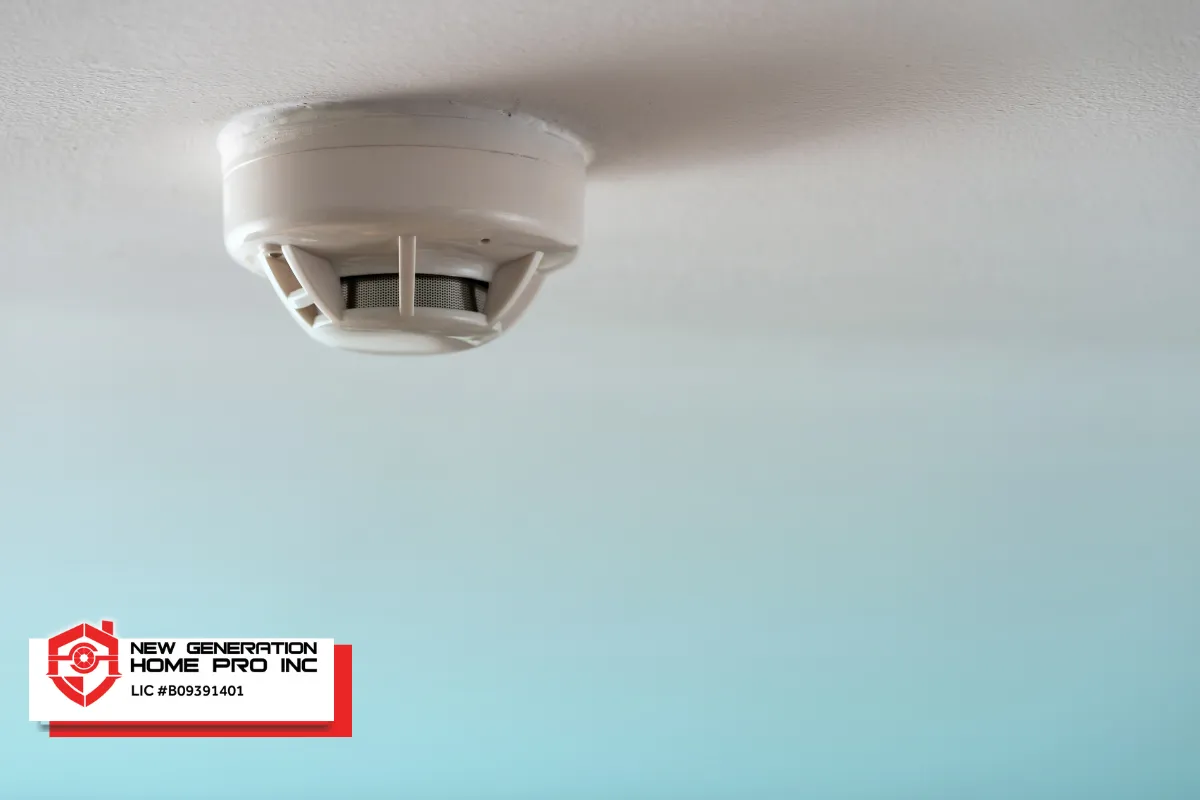
Homeowners can choose between inexpensive plug-in units and fully monitored setups. Each route has trade-offs.
DIY advantages:
- Lower upfront cost, often under forty dollars per detector
- Quick install with no wiring or monthly fee
- Good supplemental coverage in secondary areas
Professionally monitored advantages:
- Professional monitoring includes 24/7 surveillance of all sensors
- Trained agents contact you and dispatch emergency services automatically
- Documented event history for insurance or property records
- Local monitoring centers provide faster response times than national companies
Monitored systems are especially valuable for households where kids, older adults, or pets may be home alone and unable to respond if something goes wrong. Conroe experienced over 1,700 property crimes in 2023, which means many homeowners are already paying for monitored security. Adding CO sensors to that existing system is a logical, low-cost upgrade. Evaluate your home size, occupancy patterns, and fuel-burning appliances when deciding which route fits your family best.
Cost and Ongoing Maintenance for CO Detectors in Conroe
CO protection is relatively affordable compared to the consequences of poisoning or an undetected fire. Here are general ranges:
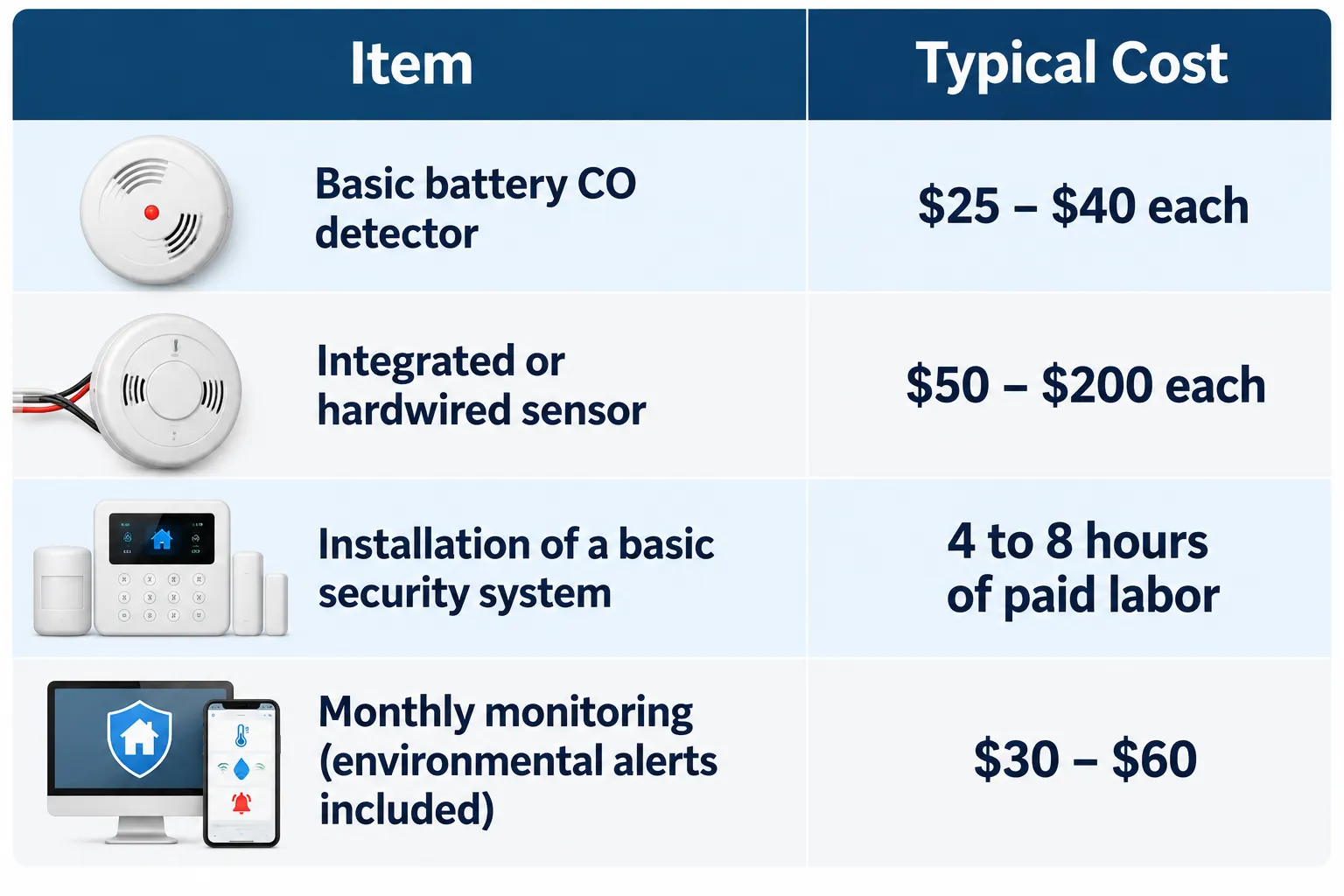
Most monitoring plans in Conroe range from thirty to sixty dollars monthly, and many providers bundle CO monitoring into existing alarm service at no extra charge.
Routine maintenance keeps sensors dependable:
- Test every unit monthly using the built-in test button.
- Clean dust from vents annually.
- Replace batteries on the manufacturer schedule, typically once a year for non-sealed units.
- Replace the entire detector at end of life, usually seven to ten years.
Keep a written or digital log of installation and replacement dates so you never have to wait and wonder whether a detector is still within its useful life. This maintenance often overlaps with regular checks of your cameras, door sensors, wifi-connected devices, and control panel.
Home Security System in Conroe, TX – New Generation Home Pro Inc
At New Generation Home Pro Inc, we design and install complete home protection solutions across Conroe and the prominent surrounding areas in Montgomery County. Our team builds systems that combine intrusion sensors, smoke detectors, carbon monoxide detectors, and security cameras into one managed platform with app control and 24/7 monitored alerts. We understand local floor plans, commercial and residential property layouts, and the specific safety challenges that come with living in this part of Texas. Whether you need to add CO sensors to an existing setup or want a brand-new system for a remodel or new construction, we tailor every installation to your home and budget. Call us at (936) 205-2735 or fill out our contact form to schedule a free, no-obligation consultation. Let New Generation Home Pro Inc help you keep your family safe.
Frequently Asked Questions
How Is a Carbon Monoxide Alarm Different From a Smoke Alarm in Sound and Behavior?
Most modern CO alarms use a distinct series of four beeps followed by a pause, while smoke alarms typically sound three continuous beeps or a steady tone. Combination units often add a voice announcement stating either “fire” or “carbon monoxide” so you know exactly which threat you are facing. When tied into an alarm system, the control panel or app can also display text identifying the hazard and the specific room. This clarity matters because each situation demands a different response. Smoke usually means evacuate and call the fire department, while a CO event also requires ventilation and medical evaluation. Test your units regularly so every member of the household recognizes each sound pattern without hesitation.
What Should My Family Do Step by Step if a CO Detector Goes Off?
Stay calm and do not ignore the alarm. Immediately gather everyone in the house, including pets, and move to fresh air outside. Do not stop to open windows or search for the source. Once you are safely outdoors, call 911 from your phone or a neighbor’s home. If your detector is integrated with a monitored security system, the monitoring center may already be contacting emergency services on your behalf. Do not reenter the house until first responders confirm it is safe and have inspected all fuel-burning appliances. After the event, create or update a written escape and meeting plan, and practice it with your family at least twice a year.
Are Carbon Monoxide Detectors Necessary if I Only Use Electric Appliances?
All-electric homes carry a lower CO risk, but they are not entirely safe if the property has an attached garage or if portable fuel-powered equipment is used nearby. An idling vehicle, a gas-powered pressure washer, or a generator running during a storm can push CO through shared walls, gaps under doors, or ventilation openings. Place at least one detector near the door connecting the garage to the living space. Also consider future changes to your home. Adding a gas fireplace, outdoor kitchen, or propane grill station down the road could introduce new CO sources. Installing a sensor now provides long-term protection and saves you from having to retrofit later.
Can I Mix Standalone Battery CO Detectors With My Monitored Home Security System?
You can use both types in the same home, but only the integrated detectors will be able to signal your security panel and trigger a response from the monitoring center. A practical approach is to place monitored CO sensors in critical locations like the hallway outside your sleeping area and supplement with battery-only units near secondary risk zones such as a utility room or workshop. Overlapping coverage provides an extra layer of support if one unit fails or reaches end of life without anyone noticing. Label each detector with its install date and expected replacement date so you always know which units are tied into the system and which operate independently.
How Often Should I Review and Update My CO and Fire Safety Plan?
A full review at least once a year is a strong starting point. Pair it with the same day you test all smoke detectors and carbon monoxide detectors and swap out seasonal batteries. Update the plan whenever you remodel, add new rooms, convert a garage, or replace major appliances like a furnace or water heater. Involve children in simple drills so they recognize each alarm sound, know the exits, and understand the outdoor meeting point without fear. A professional security provider can also help reassess sensor placement and system programming during annual service visits or any time you explore upgrades to your existing equipment.
Disclaimer: This article offers general educational information and does not constitute legal, code-compliance, or professional safety advice. Always confirm current Conroe and Texas requirements with qualified professionals before making installation or safety decisions.
Read Alarms vs. Sensors: What’s the Difference for Your Alarm System in Conroe, TX?