A Security Camera Installer in Conroe, TX can absolutely hide most, if not all, of the wires in your system—but many homeowners don’t realize how much planning and expertise it actually requires. Exposed cables not only ruin the look of your property, they can also become safety hazards and even security risks. Imagine investing in a high-quality security camera system only to have visible wires that can be easily cut or tampered with. The good news? Professional installation solves this. With the right techniques, tools, and knowledge of local building structures, a skilled camera system installer can conceal wiring seamlessly while keeping your home security setup reliable, efficient, and visually clean.
Why Hidden Wiring Matters for Your Security Camera System
Hidden wiring is not just about aesthetics. It plays a major role in how effective and durable your home security setup will be over time.
Visual Appeal and Property Value
Visible cables running across walls, ceilings, or outdoor areas can make even the most advanced cameras look unprofessional. Clean installations:
- Blend with your home design
- Maintain curb appeal
- Avoid a cluttered appearance
For homeowners in Conroe, where property value and neighborhood standards matter, this detail makes a noticeable difference.
Protection Against Tampering
Exposed wires can be cut easily, disabling your cameras in seconds. A professional security camera installer ensures:
- Wires are concealed behind walls or conduit
- Critical connections are secured
- Entry points are minimized
This reduces vulnerability and keeps your system functioning when you need it most.
Longevity of the System
Cables exposed to weather, heat, and moisture—common in Texas—can degrade quickly. Hidden wiring protects your investment by reducing wear and tear.
How Professional Installers Hide Camera Wires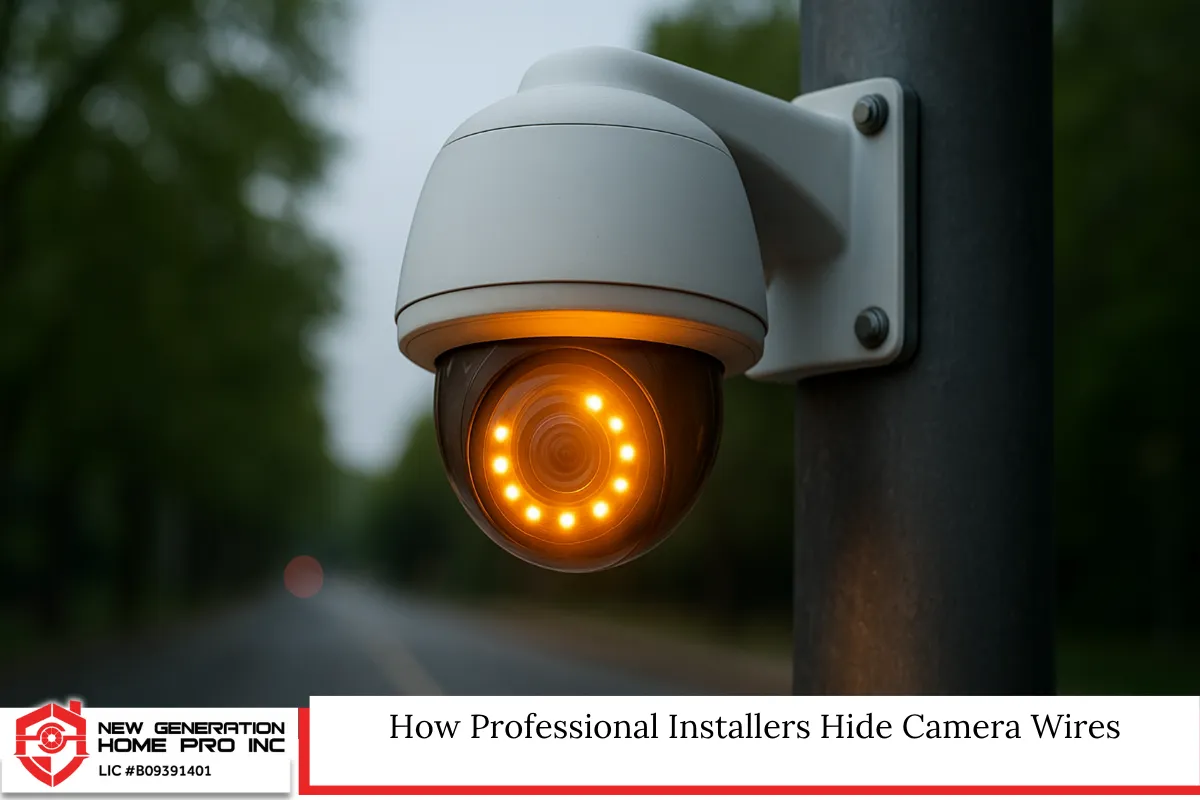
A skilled camera system installer uses several techniques depending on your property layout, construction type, and system design.
Running Wires Through Walls
One of the most effective methods is routing cables through interior walls.
- Requires careful drilling and fishing wires
- Keeps everything completely hidden
- Ideal for finished homes
This method requires precision to avoid damaging electrical systems or plumbing.
Attic and Crawl Space Routing
Many homes in Conroe have accessible attic spaces, which makes wire concealment easier.
- Wires are run above ceilings
- Drop-down points are discreetly placed
- Keeps wiring out of sight and protected
Crawl spaces can also be used for ground-level installations.
Using Conduit for Outdoor Cameras
For exterior cameras, full concealment may not always be possible. Instead, installers use:
- Weather-resistant conduit
- Color-matching materials
- Strategic placement along edges
This keeps wires protected and less noticeable.
Baseboards and Trim Integration
Another technique is hiding wires behind:
- Baseboards
- Crown molding
- Door frames
This method avoids invasive wall work while still keeping cables discreet.
Wired vs Wireless Cameras: Do You Still Need Hidden Wiring?
Many people assume wireless cameras eliminate the need for wiring, but that’s not entirely accurate.
Wired Systems
Wired cameras are still widely preferred for:
- Reliability
- Stable connection
- Higher video quality
However, they require careful wire management to avoid visible clutter.
Wireless Systems
Wireless cameras reduce data cables, but they still often require:
- Power cables
- Charging access
- Backup connections
Even wireless systems benefit from professional installation to maintain a clean look.
Challenges of Hiding Wires in Existing Homes
Not all homes are built the same, and retrofitting a security camera system into an existing structure can be more complex.
Older Home Construction
Older homes may lack:
- Modern cable pathways
- Accessible attic space
- Consistent wall framing
This can limit how easily wires can be hidden.
Insulation and Fire Blocks
Installers must navigate around:
- Thick insulation
- Fire stops within walls
- Structural barriers
These factors require advanced tools and experience.
Limited Access Areas
Some areas of your home may not allow easy routing, requiring creative solutions such as:
- Surface-mounted raceways
- Partial concealment
- Alternative camera placement
Read Security Camera Installer in Conroe, TX: Will My Cameras Work Without Power?
Local Considerations in Conroe, Texas
Installing cameras in Conroe comes with specific regulations and practical considerations.
Electrical and Building Codes
In Texas, security camera installations must comply with:
- National Electrical Code (NEC)
- Local municipal guidelines
Professional installers understand how to safely route wires without violating these standards.
Privacy Laws
Texas law allows surveillance on your own property, but:
- Cameras should not record private areas of neighbors
- Audio recording may have stricter consent rules
A knowledgeable security camera installer ensures your setup remains compliant.
Weather Conditions
Conroe’s climate includes heat, humidity, and storms, which impacts installation choices:
- Outdoor wiring must be weatherproof
- Proper sealing is required
- Surge protection is recommended
Planning a Clean Installation From the Start
The best results come from proper planning before installation begins.
Site Assessment
A professional installer evaluates:
- Camera placement
- Entry points for wiring
- Power availability
This helps minimize visible cables.
Choosing the Right Equipment
Some camera models are easier to install discreetly. Features to look for include:
- Compact designs
- PoE (Power over Ethernet) capability
- Flexible mounting options
Future Expansion
Planning ahead allows you to:
- Add more cameras later
- Upgrade without rewiring
- Maintain a consistent look
DIY vs Professional Installation: What’s the Difference?
While DIY setups may seem appealing, hiding wires properly is not a simple task.
DIY Limitations
Homeowners often struggle with:
- Drilling safely through walls
- Running wires without damage
- Maintaining clean aesthetics
Mistakes can lead to costly repairs.
Benefits of Hiring a Professional
A trained security camera installer provides:
- Clean, hidden wiring
- Code-compliant installation
- Optimal camera positioning
This ensures your home security system performs at its best.
What About Fully Wire-Free Installations?
Completely wire-free setups exist, but they come with trade-offs.
Battery-Powered Cameras
These systems:
- Require regular charging
- May have limited recording time
- Depend on Wi-Fi strength
Hybrid Systems
Many homeowners choose a mix of wired and wireless components to balance:
- Performance
- Flexibility
- Aesthetic appeal
Cost Factors for Hidden Wiring Installation
The cost of hiding wires varies depending on several factors.
Complexity of the Job
- Multi-story homes cost more
- Difficult access increases labor
- Custom routing adds time
Number of Cameras
More cameras mean:
- More wiring
- More labor
- More planning
Materials Used
Costs can include:
- Conduit and protective materials
- Mounting hardware
- Additional electrical work
Final Thoughts on Seamless Security Camera Installations
A clean, professional installation can transform how your security camera system looks and performs. Hidden wiring not only improves aesthetics but also enhances safety, reliability, and long-term durability. Whether you choose wired or wireless cameras, working with a skilled camera system installer ensures that your setup is both functional and visually seamless. In a place like Conroe, where climate, building styles, and local regulations all play a role, expertise makes all the difference. Investing in proper installation today helps you avoid headaches later and keeps your home security system working exactly as intended.
Security Camera Installer in Conroe, TX – New Generation Home Pro Inc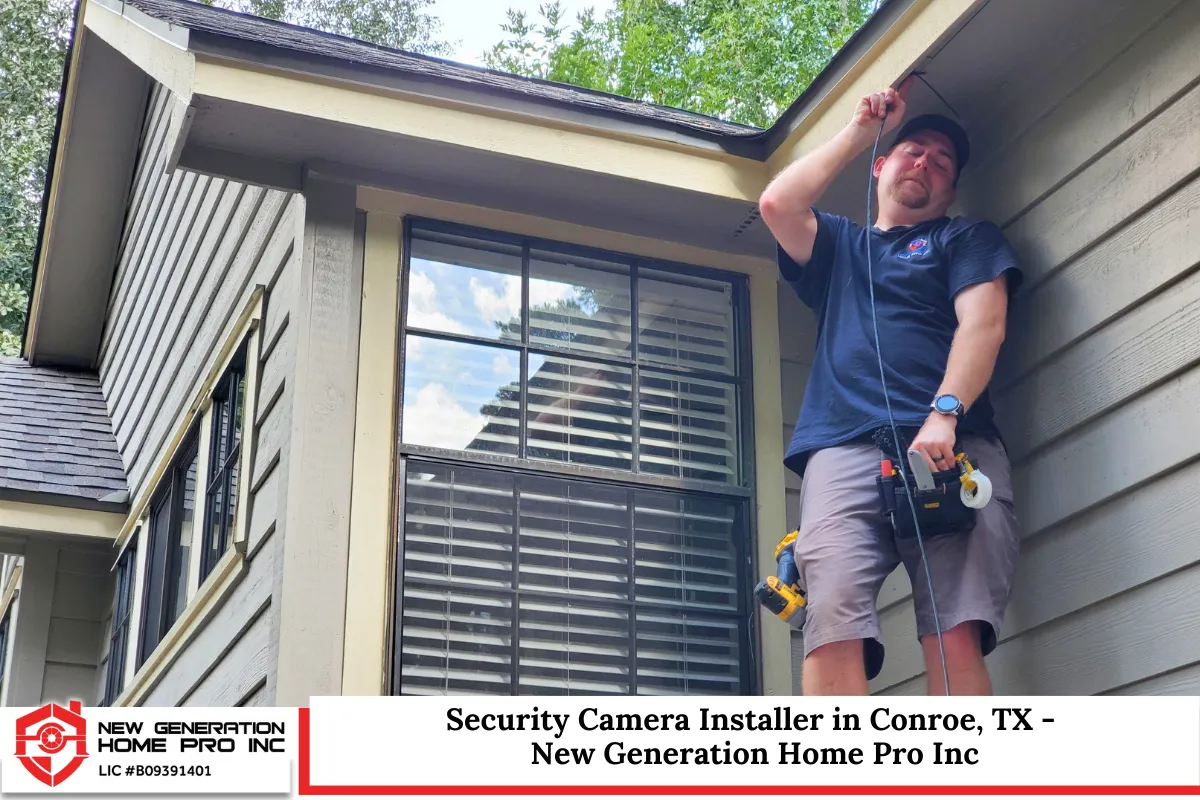
When it comes to clean, professional installations, we take pride in delivering results that look as good as they perform. At New Generation Home Pro Inc, we specialize in hiding wires, optimizing camera placement, and building reliable home security systems tailored to your property. As a trusted security camera installer in Conroe, TX, we understand local homes, weather conditions, and installation challenges. We work efficiently, minimize disruption, and ensure your system is secure and visually seamless. Call us today at (936) 205-2735 or fill out our contact form to get started with a solution designed specifically for your home.
Frequently Asked Questions
How long does it take to install a security camera system with hidden wiring?
The installation timeline depends on the size of your home, the number of cameras, and how complex the wiring process is. A standard residential setup may take anywhere from four to eight hours, while larger or multi-story homes can take one to two days. Hidden wiring adds extra time because it involves routing cables through walls, attics, or crawl spaces. Professional installers also test the system thoroughly before completing the job. Proper planning ensures the installation is done efficiently without compromising the quality or safety of your home security system.
Will hiding wires damage my walls or ceilings?
Professional installers use specialized tools and techniques to minimize any damage during installation. Small access points may be necessary, but they are typically discreet and can be patched or concealed afterward. In many cases, wires are routed through existing openings, attic spaces, or trim areas to avoid cutting into walls. The goal is to maintain your home’s structure and appearance while achieving a clean look. Hiring an experienced camera system installer significantly reduces the risk of unnecessary damage or visible marks after the job is complete.
Can security camera wires be hidden in brick or concrete homes?
Yes, but it requires different techniques compared to wood-framed homes. Installers may use surface-mounted conduit that blends with the exterior or drill precise pathways through mortar lines instead of bricks. In some cases, attic or roof access can still be used to route wiring internally. Concrete and brick installations are more labor-intensive, but skilled professionals can still achieve a clean and discreet result. Proper tools and planning are essential to avoid structural issues and maintain the durability of your home.
Do hidden wires affect the performance of the cameras?
No, hiding wires does not negatively impact camera performance when done correctly. In fact, it often improves reliability by protecting cables from environmental damage and interference. Properly routed wiring ensures stable connections, especially in wired systems that rely on consistent signal transmission. Installers also secure and organize cables to prevent signal loss or wear over time. As long as high-quality materials and proper installation methods are used, hidden wiring enhances both the functionality and lifespan of your security camera system.
Is it possible to upgrade my existing system and hide the wires later?
Yes, existing systems can often be upgraded to include hidden wiring. This process may involve rerouting cables, replacing outdated components, or repositioning cameras for better coverage. While retrofitting can be more complex than a new installation, it is still achievable with the right expertise. A professional installer will assess your current setup and recommend the best approach for improving both appearance and performance. Upgrading your system is a great way to enhance your home security without starting completely from scratch.
Disclaimer: This article is for general informational purposes only and does not constitute professional electrical or legal advice. Always consult a licensed installer and verify local Conroe, Texas regulations before modifying or installing any security camera system.
Read Does a Security Camera Installer Offers Warranties or Maintenance in Conroe, TX?