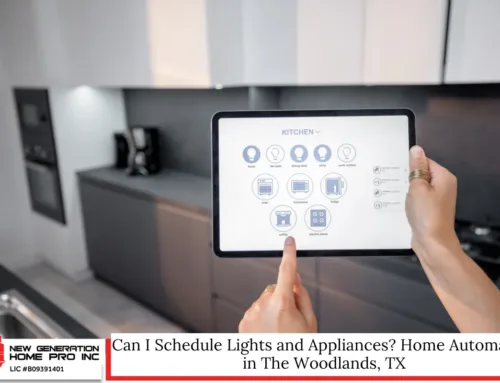
The Smart Living Shift Happening in The Woodlands
Home Automation in The Woodlands, TX is no longer a futuristic concept—it’s quickly becoming the standard for homeowners who want comfort, security, and efficiency at their fingertips. Yet with so many devices, apps, and voice assistants available, choosing the right system can feel overwhelming. Should you go with Amazon Alexa, Google Assistant, or Apple Siri? Will everything connect properly? What about privacy and local regulations?
The confusion often leads to hesitation. Without clear guidance, homeowners risk investing in incompatible systems or missing out on the full benefits of a truly integrated smart house.
The solution starts with understanding how each voice assistant works within a modern home automation ecosystem—and which one fits your lifestyle in The Woodlands.
Why Voice Assistants Matter in Modern Home Control
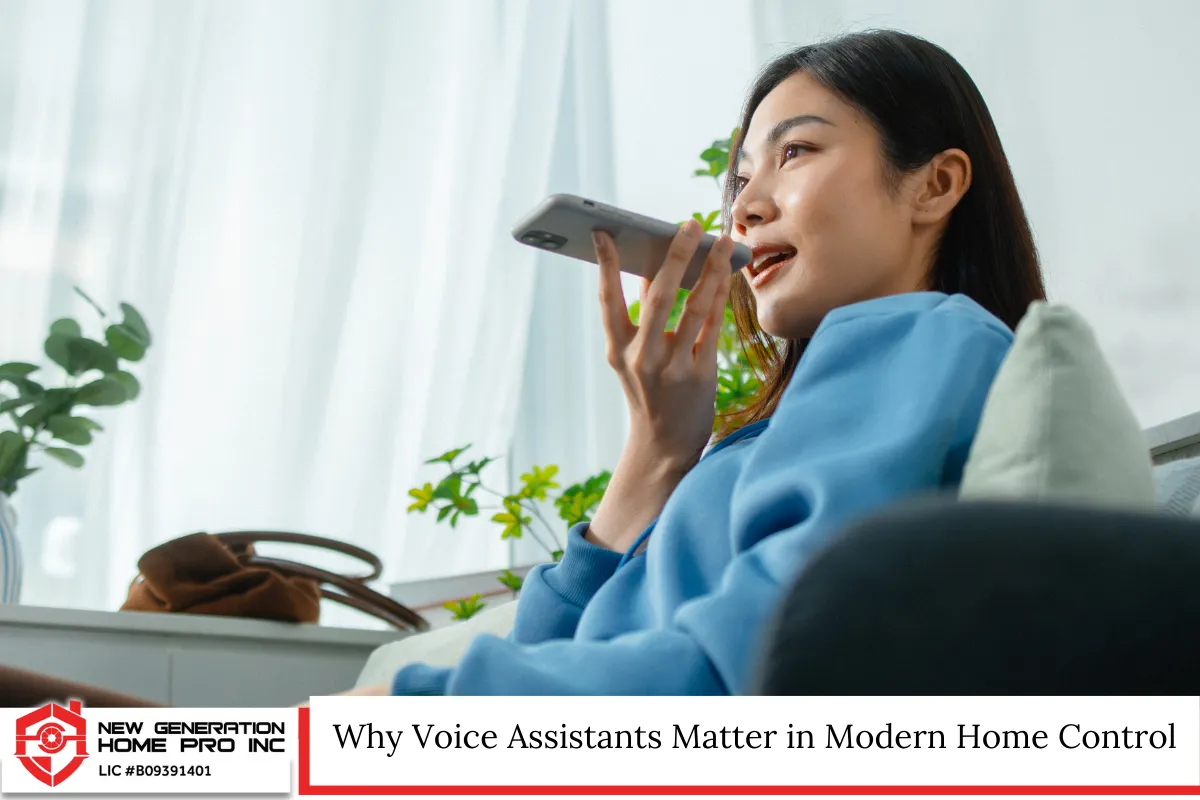
Voice assistants are the command centers of today’s smart home. They allow you to control lighting, climate, security cameras, smart locks, garage doors, irrigation systems, and even entertainment systems without touching a switch.
In a region like The Woodlands, where homeowners value energy efficiency and security, smart control through voice commands adds daily convenience while reducing utility costs.
A properly designed house automation system can:
- Automate lighting schedules to reduce energy waste
- Adjust thermostats based on occupancy
- Lock doors and arm security systems remotely
- Integrate surveillance cameras with mobile alerts
- Manage outdoor lighting for safety and aesthetics
Voice technology enhances these systems by making home control intuitive. Instead of opening multiple apps, you simply speak.
The Big Three Voice Assistants Explained
When planning a smart living setup, most homeowners choose between three dominant ecosystems: Amazon Alexa, Google Assistant, and Apple’s Siri. Each platform supports thousands of compatible devices, but they differ in features, compatibility, and user experience.
Amazon Alexa: Broad Compatibility and Customization
Amazon Alexa is widely recognized for its extensive smart home compatibility. Through devices like the Echo and Echo Show, Alexa supports thousands of third-party products including smart thermostats, lighting systems, and security cameras.
Strengths:
- Largest device compatibility network
- Custom automation routines
- Multi-room audio capabilities
- Affordable entry-level devices
Alexa integrates well with popular brands such as Ring, Ecobee, and Philips Hue. For homeowners building a complex domotics system, this flexibility can be a major advantage.
Potential Considerations:
- Privacy concerns due to cloud-based voice processing
- App interface can feel complex for beginners
Alexa works well for homeowners who want maximum compatibility and customization within their smart house.
Google Assistant: Intelligent Automation and Search Integration
Google Assistant powers devices like the Nest Hub and Nest speakers. Its advantage lies in artificial intelligence and seamless integration with Google services.
Strengths:
- Strong natural language processing
- Reliable voice recognition
- Smooth integration with Android devices
- Advanced learning capabilities
Google’s ecosystem works particularly well with Nest thermostats, cameras, and doorbells. It offers energy-saving insights, which is beneficial in Texas where cooling costs can rise significantly during summer.
Potential Considerations:
- Slightly fewer third-party integrations compared to Alexa
- Best experience if you already use Google products
For homeowners focused on intelligent automation and streamlined smart control, Google Assistant offers a powerful solution.
Apple Siri and HomeKit: Privacy-Focused Smart Living
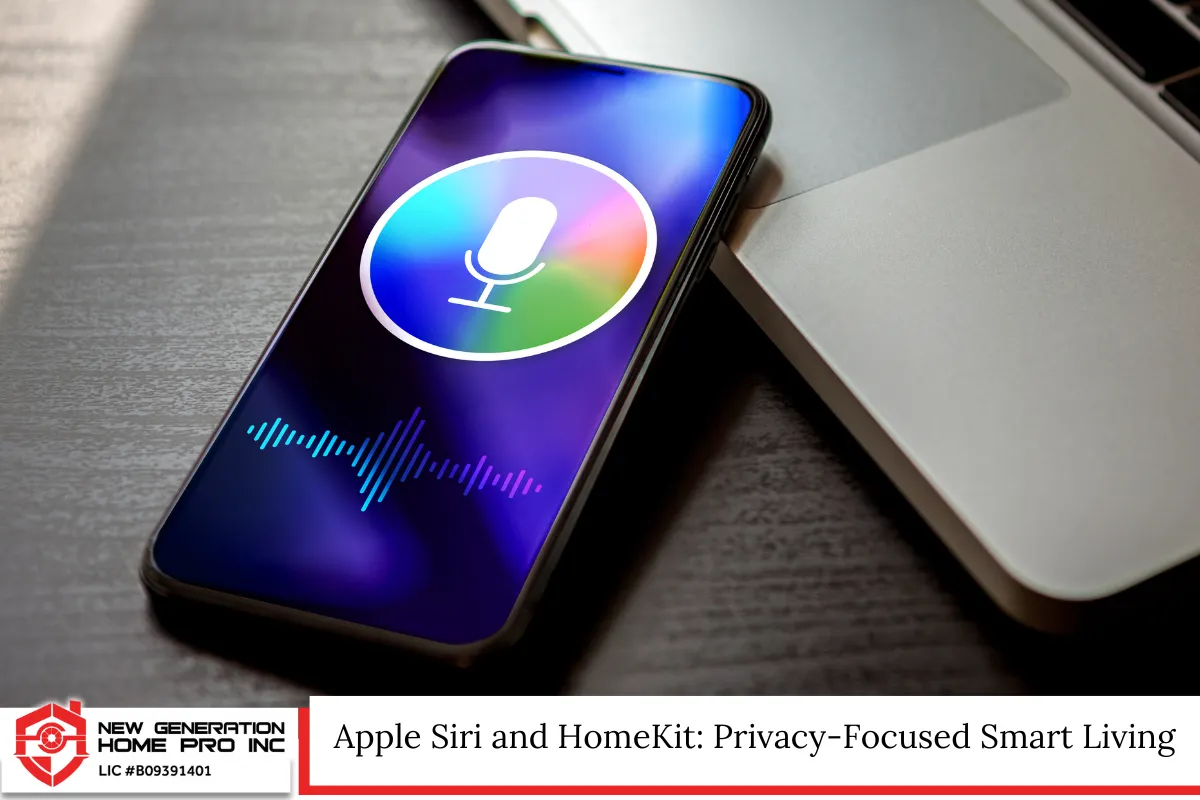
Apple’s Siri operates within the HomeKit ecosystem, often controlled via HomePod or iPhone devices.
Strengths:
- Strong emphasis on privacy and encryption
- Seamless integration with Apple devices
- Secure local processing for many commands
- Clean, simple interface
HomeKit supports fewer devices compared to Alexa, but compatibility continues to grow. For homeowners already using iPhones, Apple TVs, and iPads, this ecosystem creates a streamlined experience.
Potential Considerations:
- Limited third-party support
- Higher device costs
Siri is ideal for homeowners who prioritize data security and already rely on Apple products for daily use.
Comparing Voice Assistants for Home Automation in The Woodlands, TX
When choosing the best voice assistant for your smart home, consider these key factors:
Device Compatibility
If you plan extensive house automation—security systems, lighting zones, irrigation, pool controls—Alexa typically supports the most devices.
Energy Efficiency Integration
In Texas, where summer heat is intense, integrating smart thermostats is critical. Google Assistant works seamlessly with Nest products for climate-based automation.
Privacy and Data Security
If privacy is a top priority, Apple’s HomeKit provides encrypted communication and local command processing.
Multi-User Households
Alexa and Google Assistant handle multiple voice profiles effectively, which is beneficial for larger families.
Long-Term Scalability
Consider whether you plan to expand your domotics system over time. A scalable platform ensures future upgrades won’t require replacing everything.
Smart Home Regulations and Considerations in The Woodlands, Texas
Before installing advanced home automation systems, homeowners should understand local guidelines.
The Woodlands operates within Montgomery County and adheres to Texas electrical and building codes. Key considerations include:
- Electrical work must comply with the National Electrical Code (NEC).
- Low-voltage wiring for security systems should follow local permitting rules when required.
- Surveillance cameras must respect privacy laws—recording public areas may have restrictions.
- HOA communities may regulate exterior device installations such as cameras, smart lighting, or visible equipment.
Professional installation ensures compliance while protecting warranties and property value.
How Voice Assistants Enhance Security Systems
Security is often the primary reason homeowners invest in smart control.
Voice assistants integrate with:
- Smart locks
- Video doorbells
- Motion sensors
- Alarm systems
- Outdoor cameras
For example, you can say, “Arm the system,” before bedtime. You can also receive real-time alerts through your phone.
In Texas neighborhoods where property protection is important, integrated security automation offers peace of mind.
Energy Savings Through Intelligent Automation
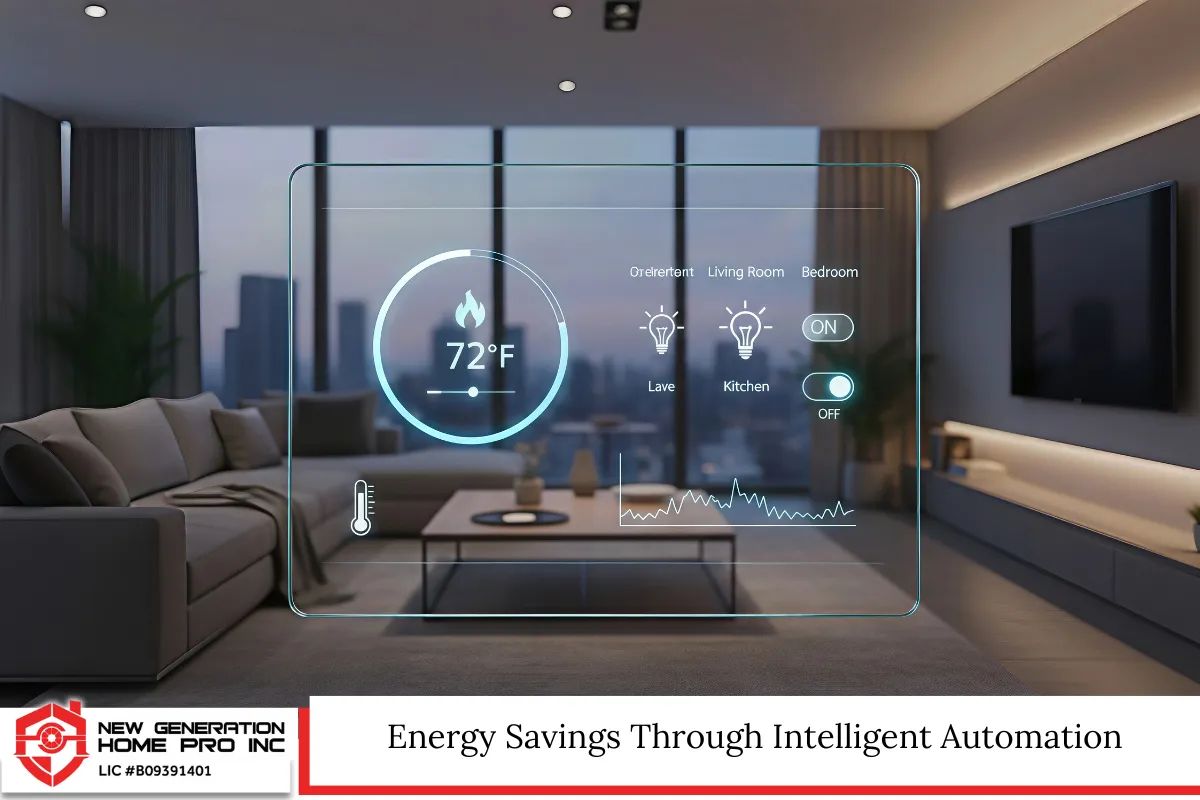
Energy management is one of the strongest arguments for upgrading to a smart house.
Benefits include:
- Smart thermostats that adjust based on occupancy
- Automated lighting schedules
- Remote HVAC control
- Smart irrigation systems that monitor weather
According to federal energy resources, programmable thermostats can significantly reduce heating and cooling costs when used properly. Smart home systems enhance this by learning behavior patterns.
For homeowners in The Woodlands, where cooling systems run heavily in summer, these efficiencies translate into real savings.
Building a Fully Integrated Smart House
A cohesive system avoids device conflicts and maximizes performance. A professional integrator will:
- Evaluate your home layout
- Assess Wi-Fi strength and coverage
- Recommend compatible devices
- Configure automation routines
- Ensure secure network setup
A properly designed home control network should operate smoothly without constant troubleshooting.
Choosing the Right Voice Assistant for Your Lifestyle
The “best” assistant depends on how you live.
Choose Alexa if:
- You want wide compatibility
- You enjoy customization
- You plan complex automation routines
Choose Google Assistant if:
- You use Android devices
- You want AI-driven learning
- You value integrated search functionality
Choose Siri if:
- You prioritize privacy
- You use Apple devices daily
- You prefer simplicity
No matter the platform, the goal is seamless smart living that supports comfort, safety, and efficiency.
Making the Smart Move for Long-Term Convenience
Voice assistants are more than novelty devices—they are central to modern domotics systems. When thoughtfully selected and professionally installed, they simplify daily life, enhance security, and improve energy efficiency.
Home Automation in The Woodlands, TX continues to evolve as homeowners embrace connected technology. Whether you prioritize customization, intelligence, or privacy, there is a voice assistant that aligns with your goals.
The key is integration. A well-designed system transforms a collection of devices into a unified smart house that responds intuitively to your needs.
Home Automation in The Woodlands, TX – New Generation Home Pro Inc
At New Generation Home Pro Inc, we help homeowners design and install advanced home automation systems tailored to their lifestyle. Our team specializes in complete smart home integration, from lighting and climate control to security and entertainment systems. We don’t believe in one-size-fits-all solutions. We evaluate your property, recommend compatible voice assistants, and ensure your smart control system operates flawlessly.
If you’re ready to upgrade your house automation setup in The Woodlands, Texas or the surrounding areas, we’re here to help. We handle wiring, configuration, and full system integration with attention to detail and compliance with local codes.
Call us today at (713) 501-9985 or fill out our contact form to schedule your consultation. Let’s build a smarter, safer home together.
Frequently Asked Questions
1. Can smart home systems increase property value in The Woodlands?
Yes, professionally installed home automation can increase perceived property value. Buyers often view integrated smart living systems as upgrades, especially when they include security features, smart thermostats, and lighting automation. In competitive housing markets like The Woodlands, energy-efficient and connected homes stand out. However, the value depends on quality installation and compatibility. Systems that are professionally configured and easy to transfer to new owners tend to provide the greatest return on investment.
2. Do smart home devices require high-speed internet?
Most smart home systems rely on stable broadband internet for remote access and cloud-based features. However, many devices continue to function locally even if internet service temporarily drops. For optimal performance, especially with voice assistants and security cameras, a strong Wi-Fi network with adequate bandwidth is recommended. Homes with multiple connected devices may benefit from mesh networking systems to ensure reliable smart control coverage throughout the property.
3. Is professional installation necessary for home automation?
While some entry-level devices are DIY-friendly, comprehensive house automation systems benefit significantly from professional installation. Experts ensure proper wiring, secure network configuration, device compatibility, and compliance with local electrical codes. Improper installation can lead to connectivity problems or system vulnerabilities. For large homes or complex automation setups, professional integration ensures reliability and long-term scalability.
4. How secure are voice assistants from hacking?
Major voice assistant platforms use encryption and multi-layered security protocols. However, no connected system is completely immune to cyber risks. Best practices include enabling two-factor authentication, regularly updating firmware, using strong passwords, and securing your Wi-Fi network. Professional smart home integrators can also configure firewalls and network segmentation to reduce exposure and protect sensitive data.
5. Can smart automation help during power outages in Texas?
Smart home systems can integrate with backup generators or battery storage systems to maintain critical functions during outages. While voice assistants may temporarily lose connectivity without power, essential systems such as security cameras and alarms can remain operational when connected to backup power. Planning for power reliability is especially valuable in Texas, where severe weather can impact utilities.
Disclaimer: This article is for informational purposes only and does not constitute legal, electrical, or building code advice. Homeowners in The Woodlands, Texas should consult licensed professionals to ensure compliance with all applicable local, state, and federal regulations before installing home automation systems.
Read What Are the Three Levels of Home Automation in The Woodlands, TX?