A Practical Look at Safety, Savings, and Smart Living
Alarm System in Conroe, TX homeowners often ask a simple but important question: does installing an alarm system actually save money on homeowners insurance? The problem is that insurance premiums keep rising, while property risks like theft, fire, and water damage remain very real. Without protection, one incident can cause financial stress far beyond the deductible. That risk becomes even more frustrating when homeowners realize they could have reduced both danger and cost at the same time. The solution is a properly installed alarm system that lowers risk in the eyes of insurers. Beyond peace of mind, many homeowners discover meaningful insurance discounts, improved property value, and smarter control over their homes, all working together to protect what matters most.
Why Insurance Companies Reward Homes With Alarm Systems
Insurance providers base premiums on risk. The lower the chance of a claim, the more likely a homeowner is to receive a discount. A professionally installed home alarm reduces the likelihood of burglary, fire loss, and major damage, which makes insurers more comfortable offering lower rates.
A security alarm signals that a home is actively monitored or at least well protected. That protection translates into fewer break-ins, quicker emergency response, and reduced loss severity. From an insurance perspective, alarms are not just gadgets; they are risk-reduction tools.
Homes with alarm systems often experience:
- Fewer theft-related claims
- Faster response during emergencies
- Reduced fire and smoke damage
- Lower repair and replacement costs
These outcomes directly influence how insurers calculate premiums.
Average Insurance Savings From an Alarm System in Texas
Homeowners in Texas typically save between 5% and 20% on their homeowners insurance when they install an alarm system. The exact savings depend on the type of system, level of monitoring, and insurance carrier guidelines.
For many households in Conroe, even a modest discount can add up. If a homeowner pays $1,800 annually for insurance, a 10% discount equals $180 saved per year. Over time, that savings can offset the cost of installation and monitoring.
Savings ranges commonly include:
- Basic burglar alarms: 5% to 10%
- Monitored security alarm systems: 10% to 15%
- Comprehensive systems with fire and environmental sensors: up to 20%
Insurance discounts vary, but nearly all providers acknowledge the value of alarms.
How Different Alarm Features Influence Insurance Discounts
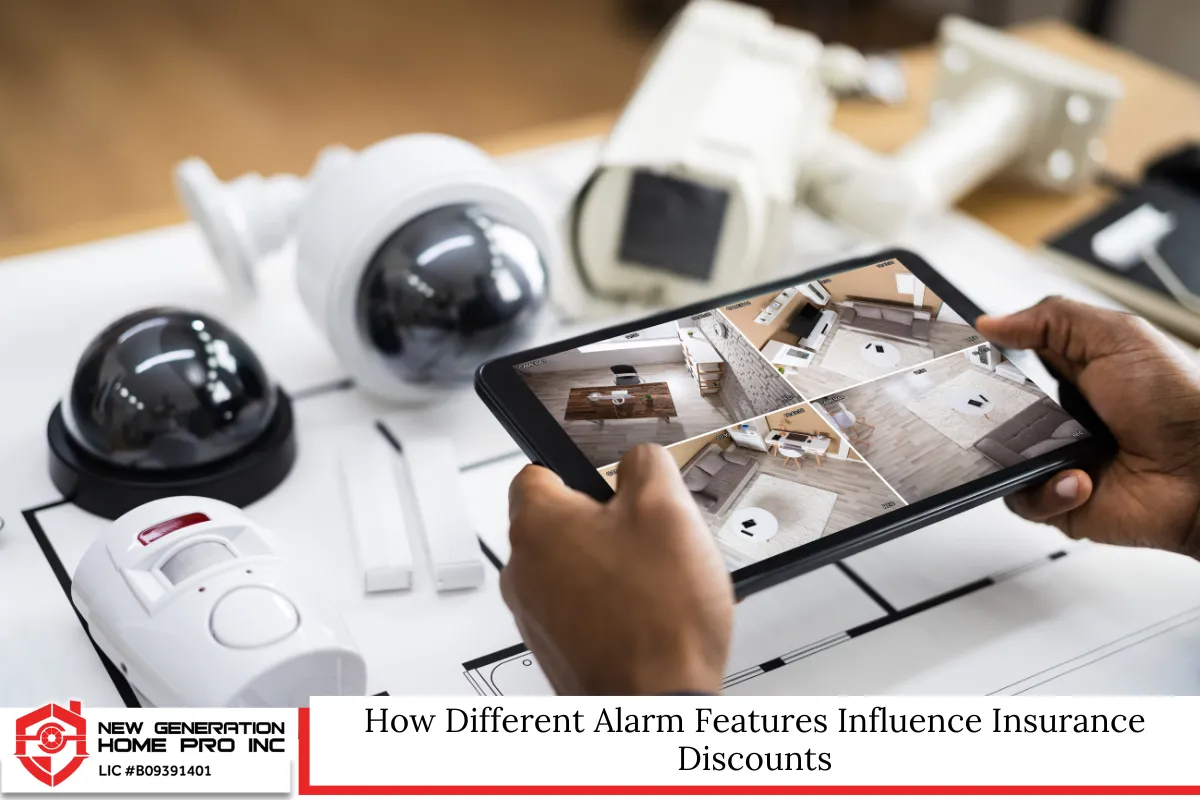
Not all alarm systems provide the same level of savings. Insurers look closely at the features installed and how they reduce specific risks.
Burglar Alarms and Entry Sensors
Door and window sensors help prevent unauthorized entry. Motion detectors add another layer of protection inside the home. These features reduce theft risk, which is one of the most common insurance claims.
Fire and Smoke Detection
Fire damage can be devastating and expensive. Alarm systems that include smoke detectors and heat sensors significantly reduce loss by alerting homeowners and emergency services early.
Environmental Monitoring
Water leaks and carbon monoxide incidents also lead to insurance claims. Advanced alarms that monitor these hazards are viewed favorably by insurance companies.
24/7 Professional Monitoring
Monitored systems provide the highest insurance discounts. When an alarm is triggered, a monitoring center contacts emergency responders quickly, limiting damage and loss.
Smart Home Technology and Insurance Benefits
A modern home automation system goes beyond traditional alarms. Smart home technology allows homeowners to monitor and control security features remotely through a smartphone or tablet.
Insurance providers increasingly recognize smart home devices as valuable risk management tools. Features such as real-time alerts, remote arming, and automated lighting make homes less attractive to intruders.
Smart home benefits include:
- Visual verification through cameras
- Automated responses to threats
- Integration with smoke and water sensors
- Improved documentation for insurance claims
A smart home with layered protection often qualifies for higher discounts than a basic setup.
Does Location in Conroe Affect Insurance Savings?
Location always plays a role in insurance pricing. Conroe neighborhoods differ in crime rates, emergency response times, and proximity to fire services. An alarm system helps offset location-based risk factors.
Homes farther from police or fire stations may benefit more from monitored alarms. Insurers view these systems as compensating for slower response times.
While discounts are not guaranteed to be identical across neighborhoods, installing a home alarm improves insurability across the board.
Alarm Permits and Local Compliance in Conroe, Texas
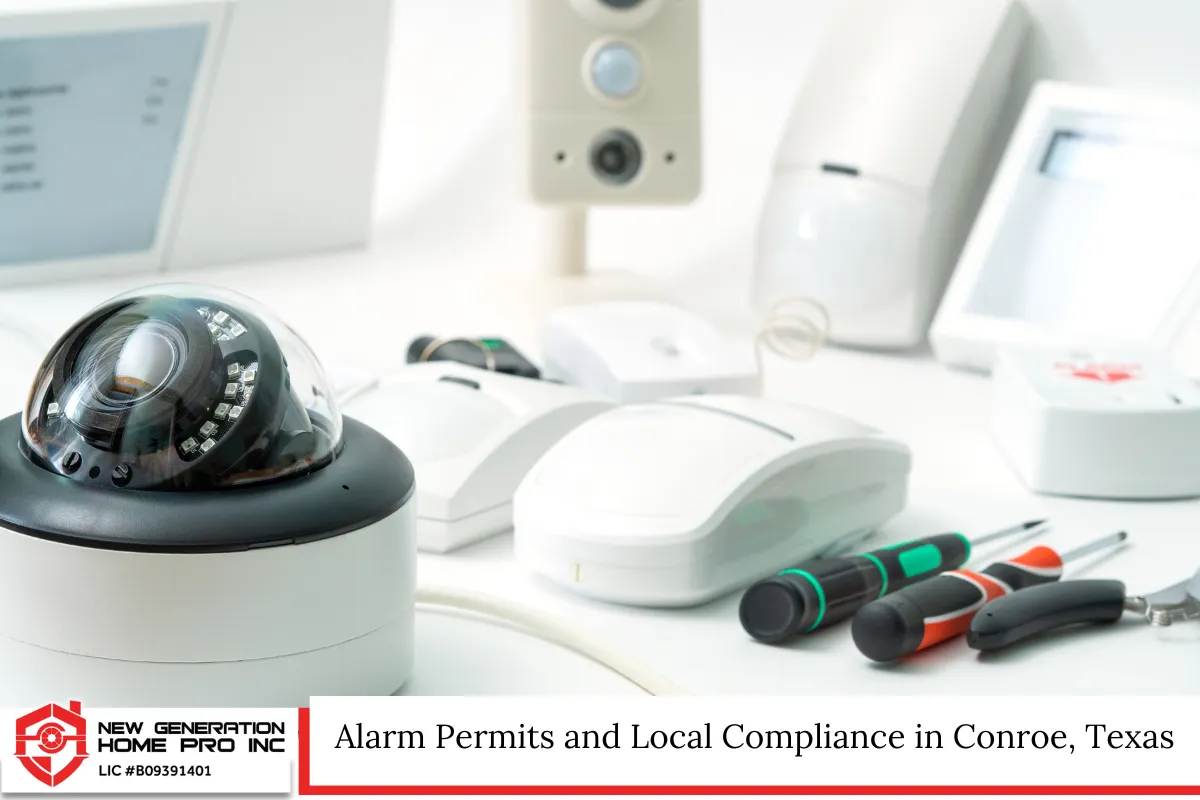
Many Texas cities require alarm system registration to reduce false alarms and improve emergency response efficiency. Homeowners in Conroe should confirm local permit requirements before activating a system.
Proper registration helps avoid fines and ensures alarms function legally. Insurance companies may request proof that the alarm system complies with local regulations, especially if professional monitoring is involved.
Following local rules protects homeowners from penalties and supports uninterrupted insurance discounts.
Read How Much Does It Cost to Install a New Alarm System in Conroe, TX?
Cost vs. Savings: Is an Alarm System Worth It?
Some homeowners hesitate due to upfront costs. However, when long-term insurance savings, theft prevention, and property protection are considered, the value becomes clear.
Typical cost considerations include:
- Installation fees
- Monthly monitoring costs
- Equipment upgrades
When balanced against annual insurance discounts and avoided losses, many homeowners find the return on investment favorable within a few years.
How Insurers Verify Your Alarm System
Insurance companies usually require documentation to apply a discount. This may include:
- Installation certificates
- Monitoring agreements
- System feature summaries
Providing accurate information ensures the discount is applied correctly and maintained during policy renewals.
Choosing the Right Alarm System for Maximum Insurance Savings
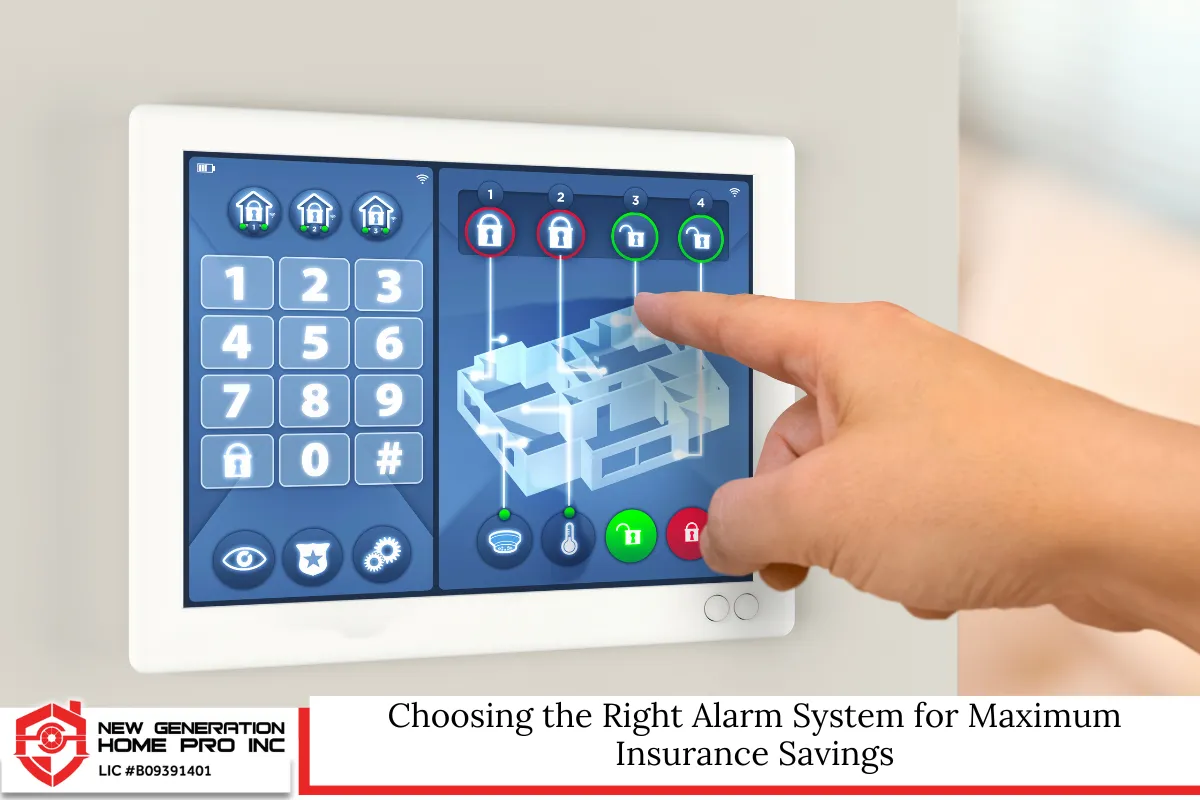
Not all systems qualify for the same discounts. Homeowners should prioritize systems that address multiple risks rather than focusing solely on intrusion detection.
A well-rounded setup often includes:
- Burglar alarm components
- Fire and smoke detection
- Environmental sensors
- Smart home integration
Consulting with a professional installer helps align system features with insurance requirements.
Long-Term Benefits Beyond Insurance Discounts
While insurance savings matter, alarm systems deliver benefits that extend far beyond premium reductions.
Homeowners enjoy:
- Increased safety and peace of mind
- Higher property appeal and resale value
- Better awareness of home activity
- Faster response to emergencies
Insurance discounts become just one part of a broader value proposition.
Key Takeaways for Conroe Homeowners
Alarm systems reduce risk, lower insurance premiums, and enhance daily living. The savings vary, but the protection is constant. Choosing the right system and staying compliant with local rules ensures homeowners receive both safety and financial benefits for years to come.
Alarm System in Conroe, TX – New Generation Home Pro Inc
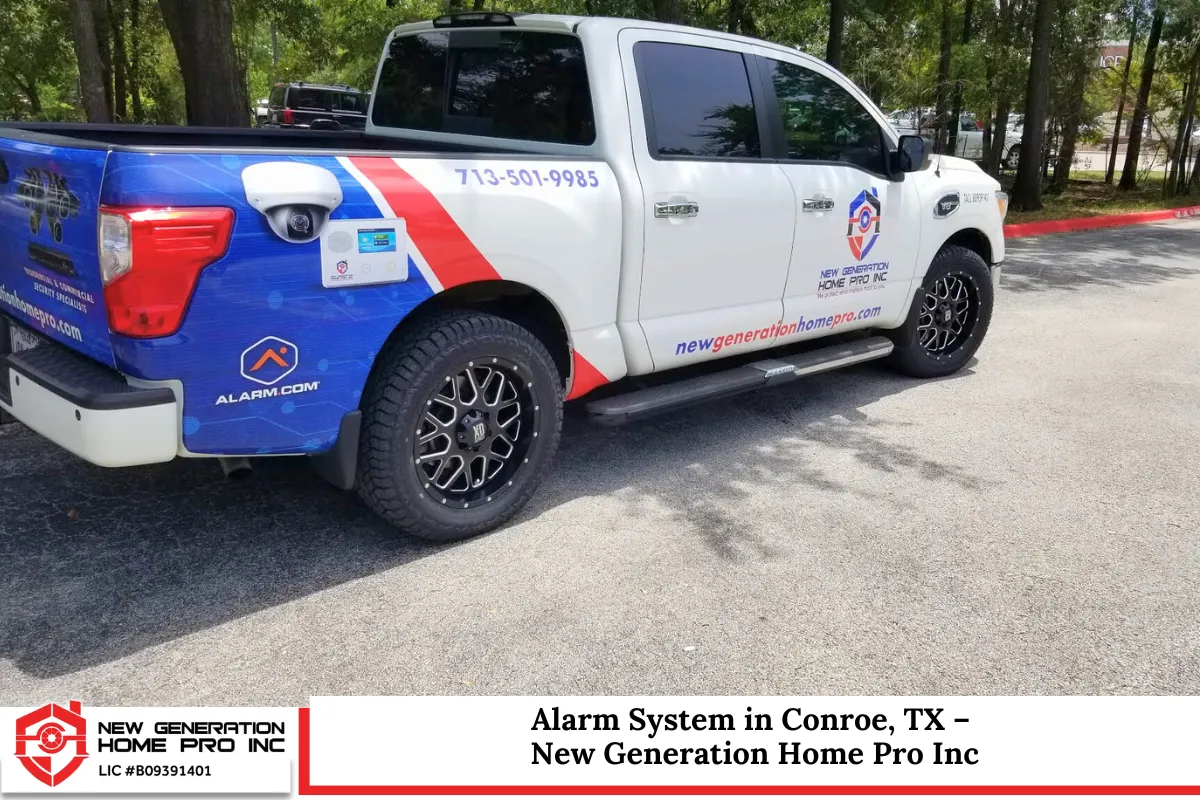
Installing an alarm system should be simple, effective, and tailored to your home. New Generation Home Pro Inc in Conroe, Texas provides professionally installed alarm systems designed to protect property and help homeowners qualify for insurance savings. Whether you want a basic home alarm or a fully integrated smart home solution, our team focuses on reliable protection and long-term value. With local expertise and responsive support, they make it easier to secure your home and reduce risk. Call (936) 205-2735 or fill out the contact form to learn how the right alarm system can protect your home and your budget.
Frequently Asked Questions
How soon after installation can I receive an insurance discount?
Most insurance providers apply the discount as soon as proof of installation and monitoring is submitted. Homeowners typically notify their insurer within days of activation. The discount often appears on the next billing cycle or policy renewal. It is important to keep documentation on hand and confirm that the system features meet the insurer’s criteria. Delays usually occur only when paperwork is incomplete or the alarm system is not properly registered where required.
Can a DIY alarm system qualify for insurance savings?
Some DIY systems qualify, but discounts are often smaller. Insurers prefer professionally installed and monitored alarms because they reduce false alarms and improve response reliability. DIY setups without monitoring may only qualify for minimal savings. Homeowners should verify eligibility with their insurance carrier before installation. A professionally supported system generally provides better long-term value and stronger documentation for insurance purposes.
Will my insurance discount increase if I upgrade my system later?
Yes, many insurers adjust discounts when new features are added. Upgrading to include fire detection, water sensors, or smart home automation may increase savings. Homeowners should notify their insurance provider after upgrades and submit updated system documentation. Regularly reviewing system features helps ensure you are receiving the maximum available discount.
Do alarm systems affect insurance claims after a break-in?
An alarm system does not guarantee claim approval, but it can support the claims process. Monitoring records, timestamps, and sensor data may help verify incidents. Insurers also view homeowners with alarms as responsible risk managers, which can influence how claims are evaluated. Proper system maintenance is essential to ensure accurate records during an incident.
Are alarm monitoring fees tax deductible or reimbursed by insurance?
Monitoring fees are not tax deductible for most homeowners and are not reimbursed by insurance companies. However, the insurance premium discount often offsets part of the monthly cost. Over time, the combination of savings and loss prevention can outweigh ongoing monitoring expenses, making the system financially worthwhile.
Disclaimer: This article is for general informational purposes only and does not constitute insurance, legal, or financial advice. Insurance discounts and alarm system requirements vary by provider and location. Homeowners should consult their insurance carrier and local authorities for specific guidance.
Read Conroe Security Camera Installer: Is Professional Installation Better Than DIY for Security Cameras?