When the Power Goes Out, Does Your Security Go With It?
Security Camera Installer in Conroe, TX is often the first place homeowners turn when they realize a major flaw in their home security setup—what happens when the power goes out? It’s a common concern. You’ve invested in a security camera system to protect your home, but during storms, outages, or emergencies, your cameras may stop working entirely. That vulnerability can leave your property exposed when you need protection the most. The good news is there are proven solutions that keep your cameras running even without traditional power. With the right setup and guidance from a professional camera system installer, you can maintain reliable coverage no matter the situation.
Why Power Matters in Every Security Camera System
Electricity is the backbone of most modern surveillance setups. Whether you have wired cameras or wireless units, power plays a crucial role in keeping everything operational.
A standard home security system relies on several components:
- Cameras themselves
- Network video recorders (NVR) or digital video recorders (DVR)
- Internet routers or modems
- Storage devices (cloud or local)
Without power, these elements can fail simultaneously. Even advanced cameras that transmit wirelessly still need electricity to function.
Wired vs Wireless Cameras: What Changes During an Outage?
A wired security camera system typically connects to a central recording device. When the power drops, both the cameras and the recorder may shut down unless backup power is available.
Wireless cameras, on the other hand, often rely on Wi-Fi. If your router loses power, the cameras may not transmit footage—even if they have their own battery.
This distinction is critical when planning your home security strategy.
Do Security Cameras Work Without Power?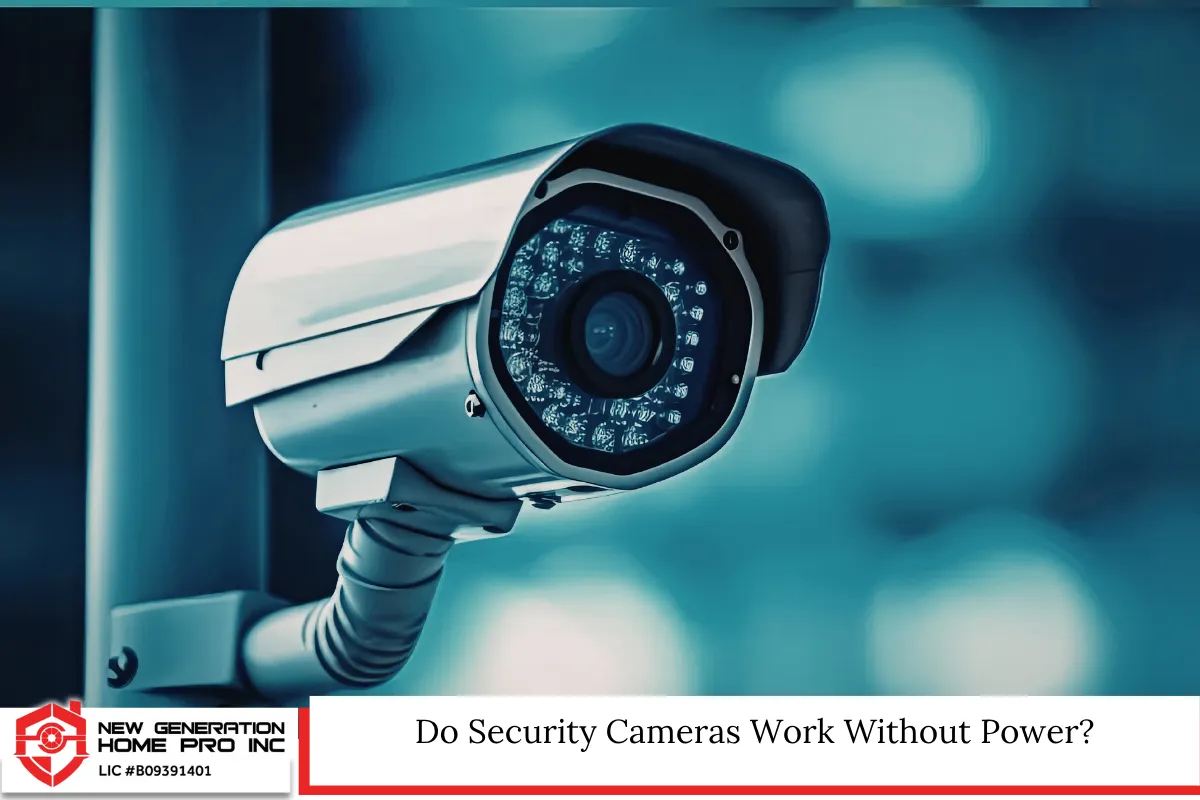
The short answer is: it depends on your setup.
Situations Where Cameras Stop Working
Most standard cameras will not function during a power outage unless they have backup systems in place. This includes:
- Plug-in indoor and outdoor cameras
- Wired CCTV systems without battery backup
- Wi-Fi cameras dependent on powered routers
Situations Where Cameras Continue Working
Some systems are designed to keep operating even when electricity is interrupted. These include:
- Battery-powered cameras
- Cameras connected to uninterruptible power supplies (UPS)
- Solar-powered cameras
- Systems with backup generators
A knowledgeable security camera installer can help design a system that continues recording even during outages.
Backup Power Options That Keep Cameras Running
If maintaining surveillance during outages is important to you, there are several reliable solutions available.
Uninterruptible Power Supply (UPS)
A UPS acts like a temporary battery for your system. It can power:
- Cameras
- DVR/NVR systems
- Routers
Depending on the capacity, a UPS can keep your system running for minutes or even hours.
Battery-Powered Cameras
These cameras come with built-in rechargeable batteries. They are especially useful for:
- Outdoor monitoring
- Remote areas
- Temporary installations
However, battery life varies, and regular maintenance is required.
Solar-Powered Cameras
Solar cameras are becoming increasingly popular in Texas due to abundant sunlight. They:
- Recharge during the day
- Operate independently of the grid
- Provide long-term reliability
These are ideal for rural properties or areas prone to outages.
Backup Generators
For complete coverage, some homeowners install generators that power the entire home. This ensures your home security system remains active during extended outages.
Internet Connectivity: Another Critical Factor
Even if your cameras stay powered, connectivity is another issue to consider.
Why Wi-Fi Matters
Many modern cameras rely on internet access for:
- Remote viewing
- Cloud storage
- Mobile alerts
If your internet goes down during a power outage, you may lose access to these features.
Local Storage as a Backup
A smart solution is using local storage. Systems with DVR or NVR devices can continue recording footage even without internet, as long as they have power.
This ensures that video evidence is still captured and can be reviewed later.
Read Can a Security Camera Installer in Conroe, TX Hide All the Wires?
Legal Considerations for Camera Installation in Conroe, Texas
Installing cameras isn’t just about technology—it’s also about compliance with Texas laws.
Privacy Laws You Need to Know
In Texas, homeowners can install cameras on their property, but there are restrictions:
- Avoid placing cameras in areas where people expect privacy (bathrooms, bedrooms)
- Do not record audio conversations without consent, as Texas follows one-party consent laws for recordings
- Cameras should not point directly into neighbors’ private spaces
A professional camera system installer understands these regulations and ensures your system complies with local and state laws.
HOA and Neighborhood Rules
Some neighborhoods in Conroe may have homeowner association guidelines. These can affect:
- Camera placement
- Visibility of equipment
- Installation methods
Always check with your HOA before installing a system.
Common Mistakes Homeowners Make with Security Cameras
Even with good intentions, many homeowners overlook key details.
Relying Only on Standard Power
Without backup power, your cameras may fail during critical moments.
Ignoring Network Vulnerabilities
A camera system installer often recommends secure networks to prevent hacking or disruptions.
Poor Camera Placement
Incorrect positioning can result in blind spots or ineffective monitoring.
Skipping Professional Installation
DIY setups can lead to incomplete coverage or technical issues. Hiring a professional security camera installer ensures your system is optimized from the start.
How a Professional Installer Strengthens Your Setup
Working with an experienced security camera installer provides several advantages.
Customized System Design
Every property is different. Professionals assess:
- Entry points
- Lighting conditions
- Risk areas
They design a system tailored to your needs.
Integration with Smart Home Features
Modern cameras can connect with smart home systems, allowing:
- Remote control via mobile apps
- Automated alerts
- Integration with alarms and sensors
Reliable Installation and Support
A professional ensures proper wiring, secure connections, and ongoing maintenance.
Choosing the Right Camera System for Your Needs
Not all cameras are created equal. Selecting the right system depends on several factors.
Indoor vs Outdoor Cameras
Outdoor cameras need:
- Weather resistance
- Night vision
- Motion detection
Indoor cameras focus more on monitoring living spaces.
Resolution and Image Quality
Higher resolution cameras provide clearer footage, which is essential for identifying faces or license plates.
Storage Options
You can choose between:
- Cloud storage
- Local storage
- Hybrid solutions
Each has its own benefits depending on your needs.
Preparing for Power Outages Before They Happen
Planning ahead is the best way to ensure continuous security.
Steps to Take
- Install backup power solutions
- Choose cameras with battery support
- Use local storage systems
- Maintain your equipment regularly
- Test your system during simulated outages
These steps can make a significant difference in maintaining protection.
Why Reliable Surveillance Matters in Texas Weather
Conroe, Texas experiences storms, heavy rain, and occasional power disruptions. These conditions can impact your home security system.
A resilient setup ensures that your cameras continue recording even during extreme weather. This is especially important for:
- Preventing theft during outages
- Monitoring property damage
- Maintaining peace of mind
Staying Protected Even When the Lights Go Out
A power outage doesn’t have to mean losing your security. With the right equipment and guidance from a skilled security camera installer, you can build a system that continues working when you need it most.
Investing in backup power, reliable storage, and professional installation ensures your home security remains strong—no matter the circumstances.
Security Camera Installer in Conroe, TX – New Generation Home Pro Inc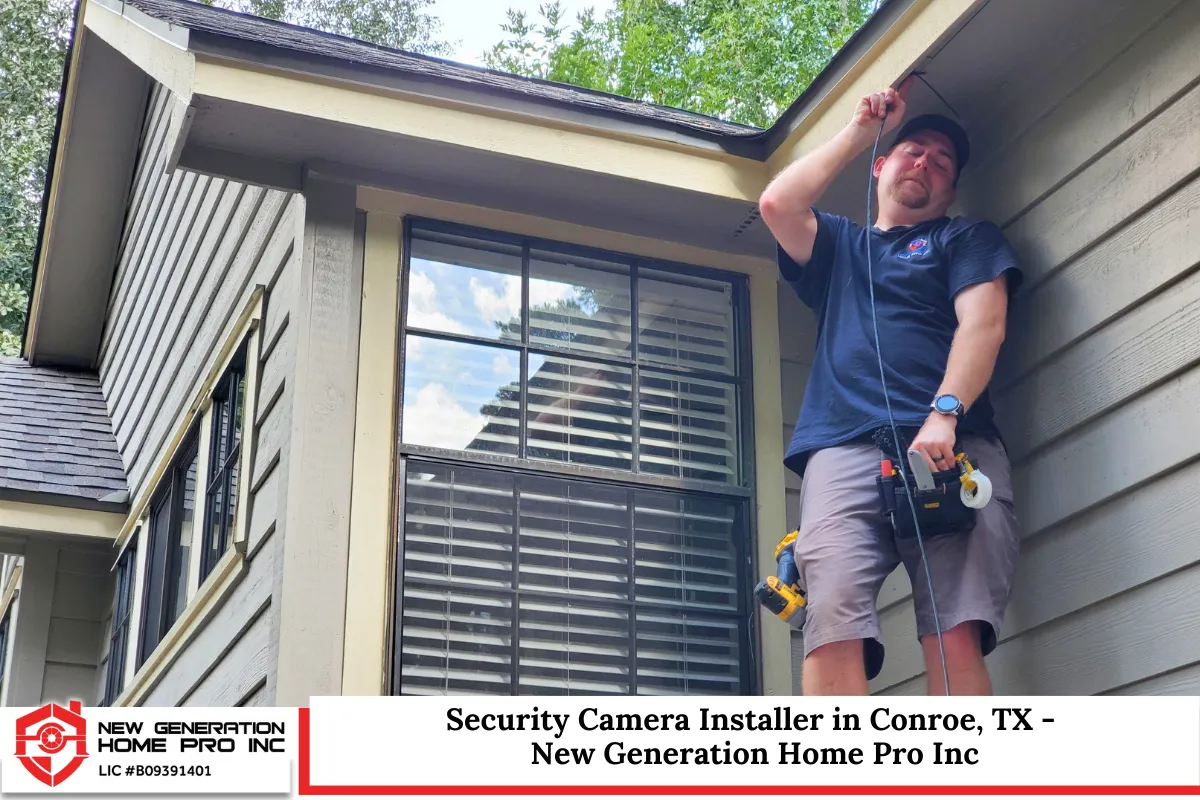
At New Generation Home Pro Inc, we understand how important it is to keep your home protected at all times—even during power outages. As a trusted security camera installer in Conroe, TX, we design and install reliable systems that continue working when it matters most. Our team provides customized solutions, including battery backups, solar options, and advanced camera systems tailored to your property. We focus on quality installation, seamless performance, and long-term reliability. If you’re looking for a dependable camera system installer, we’re here to help. Call us today at (936) 205-2735 or fill out our contact form to secure your home with confidence.
Frequently Asked Questions
Can security cameras record without internet if power is still on?
Yes, many security camera systems can record without internet access as long as they have power. Systems with DVR or NVR storage will continue capturing footage locally. However, you won’t be able to view the cameras remotely or receive mobile alerts. This setup is useful during internet outages but still depends on electricity. To maintain full functionality, including remote access, you may need a backup internet solution such as a mobile hotspot or secondary network connection.
How long do battery-powered security cameras last during outages?
Battery-powered cameras can last anywhere from a few hours to several months, depending on usage and battery capacity. Factors such as motion detection frequency, video quality, and weather conditions affect battery life. Some cameras conserve power by recording only when motion is detected. Regular charging or solar panel integration can extend usage. For homeowners in areas with frequent outages, combining battery-powered cameras with solar charging provides a more reliable long-term solution.
Are solar security cameras reliable in all weather conditions?
Solar cameras are generally reliable, especially in sunny regions like Texas. However, their performance can vary during extended cloudy or rainy periods. Most systems include rechargeable batteries that store excess energy, allowing them to operate even without sunlight for a limited time. Choosing high-quality solar panels and ensuring proper placement for maximum sun exposure can improve performance. For added reliability, some homeowners combine solar power with backup battery systems.
Do security cameras automatically restart after a power outage?
Most modern cameras and systems are designed to restart automatically once power is restored. However, this depends on the quality and configuration of the equipment. Some systems may require manual rebooting or resetting, especially older models. Using a UPS or backup power source can prevent shutdowns altogether. It’s also a good idea to test your system periodically to ensure it resumes operation correctly after an outage.
Can I install a security camera system myself, or should I hire a professional?
While DIY installation is possible, hiring a professional security camera installer offers significant advantages. Professionals ensure proper placement, wiring, and system configuration for optimal performance. They also help you comply with local laws and avoid common mistakes. Additionally, a professional installer can recommend the best equipment for your needs and provide ongoing support. For homeowners who want reliable, long-term security, professional installation is often the better choice.
Important Notice: This article provides general information about security camera systems and power considerations. Local regulations and technical requirements may vary. Always consult a licensed professional for installation and compliance with applicable laws in Conroe, Texas.