An alarm system is one of the most important investments a homeowner in Conroe, TX, can make to protect their family, property, and peace of mind. With growing concerns about safety and rising homeownership across the area, more residents are asking: Should I choose a wired or wireless alarm system?
The debate isn’t about which option is superior in general—it’s about which one fits your needs, your home’s layout, and your plans. In this article, we’ll explore both systems in depth, discuss their differences, and guide you toward the best decision for your unique situation. From installation to performance and everything in between, this guide is here to help you feel confident about your security choice.
Understanding Alarm Systems: Wired vs Wireless
What is a Wired Alarm System?
An alarm system that is wired operates using a network of physical cables that connect each component—door and window sensors, control panels, cameras, and motion detectors—directly to a central control unit. These wires are often hidden within the walls and floors, giving the system a clean, unobtrusive appearance.
A wired system is often chosen for its durability and consistent signal. Once installed, it doesn’t rely on Wi-Fi or batteries. It’s connected directly to the building’s power supply and often includes a battery backup for emergencies. Wired systems are common in newly constructed homes, where it’s easier to plan cable routing from the start.
What is a Wireless Alarm System?
A wireless alarm system functions without physical wiring. Instead, it utilizes radio frequency (RF) or Wi-Fi to enable components, such as sensors and detectors, to communicate with the control panel. This type of system is particularly useful for homes that are already built, as it avoids the need for drilling and construction.
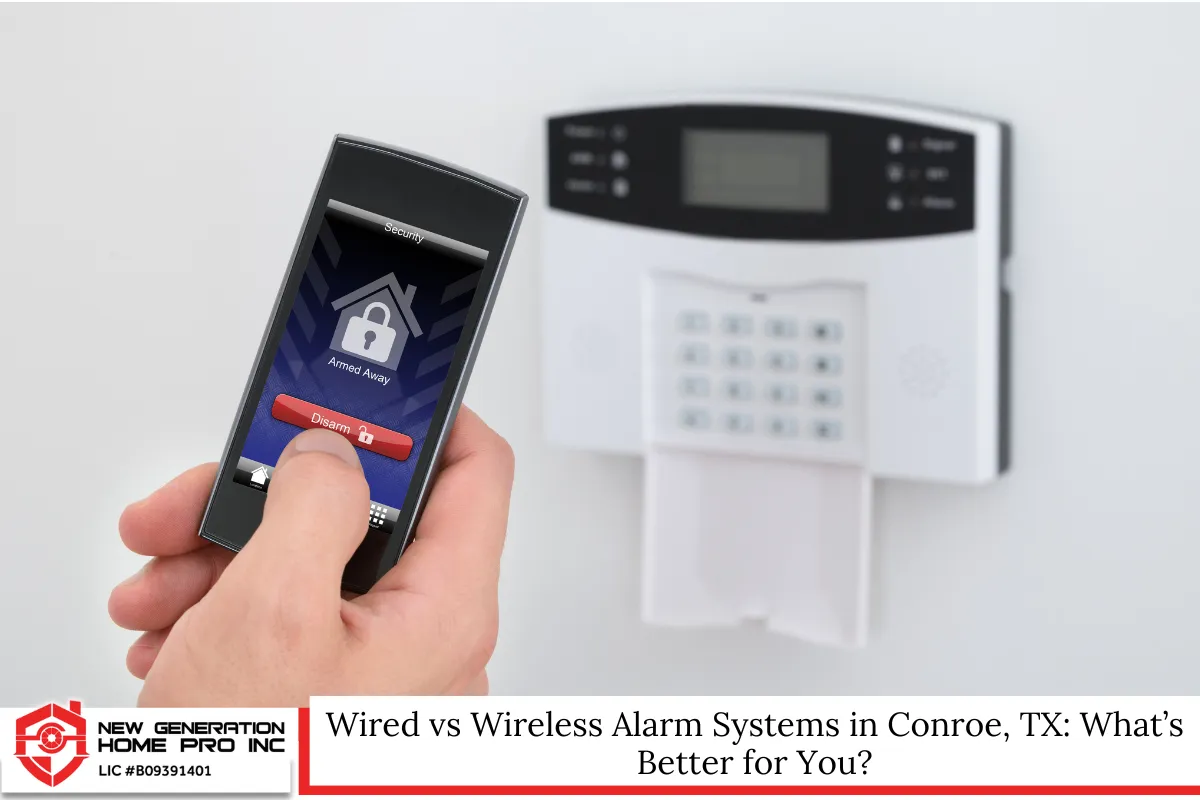
The convenience of installation, scalability, and remote accessibility make wireless systems an appealing choice. You can manage the system from your phone, receive alerts on the go, and add or relocate devices without hassle. The tradeoff is that it relies on signal strength and battery life, requiring regular checks to ensure peak performance.
How Do Wired and Wireless Alarm Systems Operate?
An alarm system operates by creating a network of sensors and triggers that monitor key entry points in your home. In a wired setup, these sensors send data through electrical currents. In a wireless setup, data is transmitted via encrypted signals. Both systems are monitored either locally through a control panel or remotely by a professional monitoring service.
The system is programmed to alert the homeowner and/or authorities when a security event is triggered, such as a door being forced open or unusual movement being detected inside. Some systems also include environmental alerts for fire, carbon monoxide, or flooding.
Key Differences Between Wired and Wireless Alarm Systems
Installation Process
An alarm system that is wired requires a more intensive installation process. Electricians or security professionals typically drill into walls and ceilings to hide cables. The process may take a full day or more, depending on the home size and layout, and it’s best done during construction or major renovation.
Wireless systems, by contrast, can be installed in just a few hours. There’s no need to open walls or run cables, and many setups are plug-and-play. This makes them ideal for homeowners who want a simple solution or may plan to move in the future.
Reliability and Signal Strength
An alarm system using wired technology generally offers more stable performance. Since it doesn’t depend on wireless signals, it’s not subject to interference from other devices or walls. This can be important in larger homes or buildings with thick concrete walls, which can sometimes disrupt wireless communication.
Wireless systems have undergone significant improvements in recent years. Modern versions use dual-band signals, redundancy protocols, and tamper alerts to enhance reliability. While still vulnerable to connectivity issues, especially in areas with poor Wi-Fi, the gap between the two systems has narrowed considerably.
Maintenance and Upgrades
An alarm system with wired components is often more difficult to upgrade or modify. Changes may require pulling new wires or replacing hardware, which can add to costs and cause minor construction disruptions. However, wired components often last longer and require less maintenance once set up.
Wireless systems offer more flexibility. You can easily replace a sensor or upgrade your system through software updates. However, you’ll need to regularly check battery life, test signal strength, and ensure devices remain in sync with the control panel.
Power Source and Backup Options
A hardwired alarm system is typically powered directly by the home’s electricity, with a backup battery in place in case of a power outage. This setup ensures continuous operation even during storms or power failures.
Wireless systems rely primarily on batteries for each component. While this allows for mobility and ease of use, it requires homeowners to monitor power levels. Many systems will send a low-battery alert, but if ignored, it could lead to lapses in protection.
Compatibility with Smart Home Devices
A wireless alarm system typically integrates better with modern smart home platforms. You can link your system to voice assistants, smart locks, video doorbells, and other compatible devices. Most brands provide apps for real-time control and alerts.
Wired systems, unless upgraded or hybridized, are less compatible with smart tech. They tend to rely on older communication protocols. However, some can be retrofitted with adapters or controllers that enable limited connectivity.
Pros and Cons: Which System Matches Your Needs in Conroe?
Pros of Wired Alarm Systems
A wired alarm system provides uninterrupted service with minimal interference. Its physical connections make it difficult to hack, and it’s ideal for properties where long-term residence is expected.
- Long lifespan and low maintenance
- Stable connections unaffected by signal loss
- Less susceptible to digital hacking
Cons of Wired Alarm Systems
An alarm system with physical wiring requires a more complex setup. Installation is invasive and costly, and it is best done during building construction.
- Higher installation costs
- Difficult to expand or move
- Requires professional help for changes
Pros of Wireless Alarm Systems
A wireless alarm system offers unmatched flexibility. It’s easy to install, manage, and upgrade—all from a mobile device.
- Fast and simple setup
- Easily integrates with smart devices
- Can be moved or expanded at any time
Cons of Wireless Alarm Systems
A wireless alarm system does come with a few drawbacks. Battery failure or poor Wi-Fi coverage can create weak spots in your home’s defense.
- Ongoing battery maintenance
- Potential signal interference
- Slightly higher risk of digital breaches
Cost Breakdown in Conroe, TX: What Should You Expect?
Upfront Installation Costs
An alarm system installation in Conroe for a wired setup can range from $1,500 to $3,000, depending on the complexity and size of the home. Labor and materials drive up costs.
Wireless systems generally cost less upfront, ranging from $300 to $1,500. You save on installation, but may spend more on accessories or additional smart devices.
Ongoing Maintenance Fees
An alarm system typically includes monitoring services, which cost between $20 and $60 per month in Conroe. These fees may include emergency dispatch, mobile alerts, and maintenance.
Wired systems have lower maintenance costs, whereas wireless systems require periodic battery replacements and software updates, which can increase overall expenses.
Hidden or Unexpected Costs
An alarm system might come with hidden costs, such as wall repair after wired installations or data plan fees for cellular backups in wireless systems. Always ask your provider for a detailed breakdown before making a decision.
Security Needs in Conroe: Urban, Suburban, and Rural Considerations
Alarm System Needs in Downtown Conroe
An alarm system in downtown areas must be able to handle high traffic and be strategically located near commercial spaces. Wired systems are favored for their reliability and long-term stability in these busier environments.
What About the Suburbs?
An alarm system for suburban neighborhoods should be easy to manage, flexible, and compatible with family life. Wireless setups are popular in subdivisions for their simplicity and modern features.
Rural Properties and Long-Distance Monitoring
An alarm system on rural land faces unique challenges like distance, spotty cell reception, and exposure to the elements. Wired systems offer consistent performance, especially when cellular or broadband service is limited.
When to Choose Wired Over Wireless (and Vice Versa)
Best Scenarios for Wired Alarm Systems
An alarm system that’s wired is best for homeowners building a custom house, staying long-term, or seeking a “set it and forget it” solution. The permanence and reliability are suitable for large or complex properties.
Best Use Cases for Wireless Alarm Systems
A wireless alarm system is best suited for homeowners who prefer quick setups, frequent upgrades, or integration with smart home ecosystems. It’s ideal for smaller homes, condos, and rental properties.
Future-Proofing Your Home Security

Technology Trends in Alarm Systems
An alarm system today goes beyond simple sensors. Features like two-way voice communication, facial recognition, and artificial intelligence are becoming the norm. Systems now offer automation, learning behaviors, and more accurate threat detection.
Is Wireless the Future?
A wireless alarm system continues to lead innovation. With ongoing enhancements in battery life, encryption, and 5G connectivity, wireless systems are poised to become the standard for residential security.
How to Upgrade from Wired to Wireless (or Combine Both)
An alarm system doesn’t have to be one or the other. Hybrid models combine the reliability of wired connections with the convenience of wireless technology. You can keep your hardwired base and add wireless devices, such as smart cameras or locks, for added protection and control.
Making the Right Alarm System Choice in Conroe, TX
An alarm system should serve the way you live, not complicate it. Wired systems provide robust, permanent protection, making them ideal for individuals who prioritize long-term value and are comfortable with professional installation. Wireless systems offer ease, speed, and smart features, making them an attractive option for tech-savvy homeowners who want flexibility.
An alarm system tailored to your lifestyle can offer more than just protection—it can bring peace of mind, convenience, and control. No matter which system you choose, what’s most important is taking action to secure what matters most.
Conroe Alarm System – New Generation Home Pro Inc
Looking for an ideal alarm system in Conroe, TX? New Generation Home Pro Inc. got you covered! We specialize in both wired and wireless alarm system solutions, tailored to meet your specific needs. Whether you want cutting-edge wireless tech or the reliability of a wired setup, we’ve got you covered.
As the leading provider of top-notch security solutions in Conroe and the surrounding areas, we are committed to your safety. From 24/7 monitoring to two-way voice communication and professional installation, our team is here to help. Contact us today at (936) 205-2735 and let us secure what matters most to you!
FAQs About Alarm Systems in Conroe, TX
1. What is the most reliable alarm system for homes in areas like Conroe, TX?
When choosing a reliable alarm system in Conroe, it’s essential to consider the local landscape, including internet access, property size, and emergency response times. Wired systems are often considered more reliable for long-term use because:
- They’re physically connected and aren’t vulnerable to Wi-Fi disruptions.
- They’re less likely to suffer from interference caused by nearby devices or walls.
- Backup batteries ensure the system remains operational even during power outages.
However, high-quality wireless systems have become equally dependable thanks to:
- Dual-band frequency protection
- Tamper-resistant motion sensors
- Real-time mobile alerts via cellular backup
Some trusted brands also offer hybrid models that combine the stability of a wired system with the flexibility of wireless expansion. For homes with stable Wi-Fi and smart home devices, wireless systems with app control and cloud monitoring provide dependable performance. Whichever you choose, ensure it includes intrusion detection, smoke alarms, and camera integration for a full residential security solution.
2. How often should alarm systems be maintained or updated in Conroe homes?
Maintaining your alarm system in Conroe is crucial to ensure uninterrupted protection and functionality. The frequency of maintenance depends on the type of system and the equipment installed.
Here’s a basic maintenance guide:
- Every 6 months: Test sensors, keypads, and communication lines
- Monthly: Check wireless device batteries and Wi-Fi signal strength
- Annually: Review your system’s performance with your monitoring provider
- After power outages or storms: Reboot and check for errors
For wired systems, focus on ensuring all hardwired sensors are responsive. For wireless systems, be sure to:
- Replace low batteries immediately
- Update firmware through the mobile app or control panel
- Test remote alerts and smart home integration
Smart alarm systems will often remind you automatically when service is due or when components require attention. Don’t ignore these warnings. Routine updates not only enhance security but also keep your equipment compatible with the latest home automation security technologies.
3. Can I integrate a new alarm system with my existing smart home setup?
Yes, many modern alarm systems are built with smart home integration in mind. Suppose you already have home automation devices like Amazon Alexa, Google Home, or smart lighting systems in your Conroe property. In that case, it’s relatively simple to connect them to a compatible alarm system.
Look for systems that support:
- Z-Wave or Zigbee protocols
- IFTTT (If This Then That) routines
- Dedicated mobile apps for iOS and Android
- Cloud-based storage and remote access
You can automate actions such as:
- Arming the alarm when the front door is locked
- Triggering lights or sirens if a sensor detects movement
- Viewing security camera footage from your phone or tablet
Some systems allow for voice activation and custom routines. Before purchasing, verify compatibility with your smart thermostat, smart locks, or garage door sensors to ensure a seamless integration. Smart integration enhances your overall residential security system, providing better control and faster responses in emergencies.
4. Are wireless alarm systems safe from hacking and interference?
Wireless alarm systems are designed with multiple layers of security to protect against hacking, signal jamming, or external interference. However, like any device connected to a network, they’re not entirely immune, especially if not maintained or updated.
Here’s how wireless systems stay secure:
- Encrypted signal transmission: Prevents outsiders from intercepting data
- Rolling security codes: Changes codes every time the system arms or disarms
- Tamper detection alerts: Notifies users if someone tries to turn off a sensor
- Cloud redundancy: Keeps alerts active even if your home internet goes down
To further reduce risks:
- Always use strong, unique passwords for your system login
- Regularly update the system firmware
- Use cellular backup options if possible
- Set up two-factor authentication for your alarm app
Most top-tier wireless alarm systems used in Conroe today are just as safe—if not safer—than older wired systems, thanks to these innovations.
5. What features should I look for in a home alarm system for rural Conroe properties?
For rural homes in Conroe, an alarm system must cover large areas and be able to adapt to weak internet connections or power outages. Property owners in less densely populated zones should prioritize systems that offer long-range communication, fail-safes, and all-in-one security monitoring.
Here’s what to look for:
- Dual connectivity: Wi-Fi and cellular backup
- Long-range motion sensors and outdoor cameras
- Battery-powered options in case of grid loss
- Expandable systems for garages, barns, and sheds
Essential features include:
- Real-time intrusion alerts with emergency response
- Environmental detection (smoke, carbon monoxide, and flooding)
- Smart video surveillance for long driveways or perimeters
- Automation rules to control lighting or alarms remotely
Rural properties are often more isolated, resulting in longer response times for emergencies. A reliable alarm system with 24/7 monitoring and smart access tools can serve as both a deterrent and a fast-response tool in critical situations.
Read more: Best Alarm Systems for Homes in Conroe, Texas: Features and Prices